Key information
- Funding
- Self-funded
- School
- Energy, Geoscience, Infrastructure and Society
- Location
- Edinburgh
- Delivery type
- Full-time, Part-time
- Start date
- September
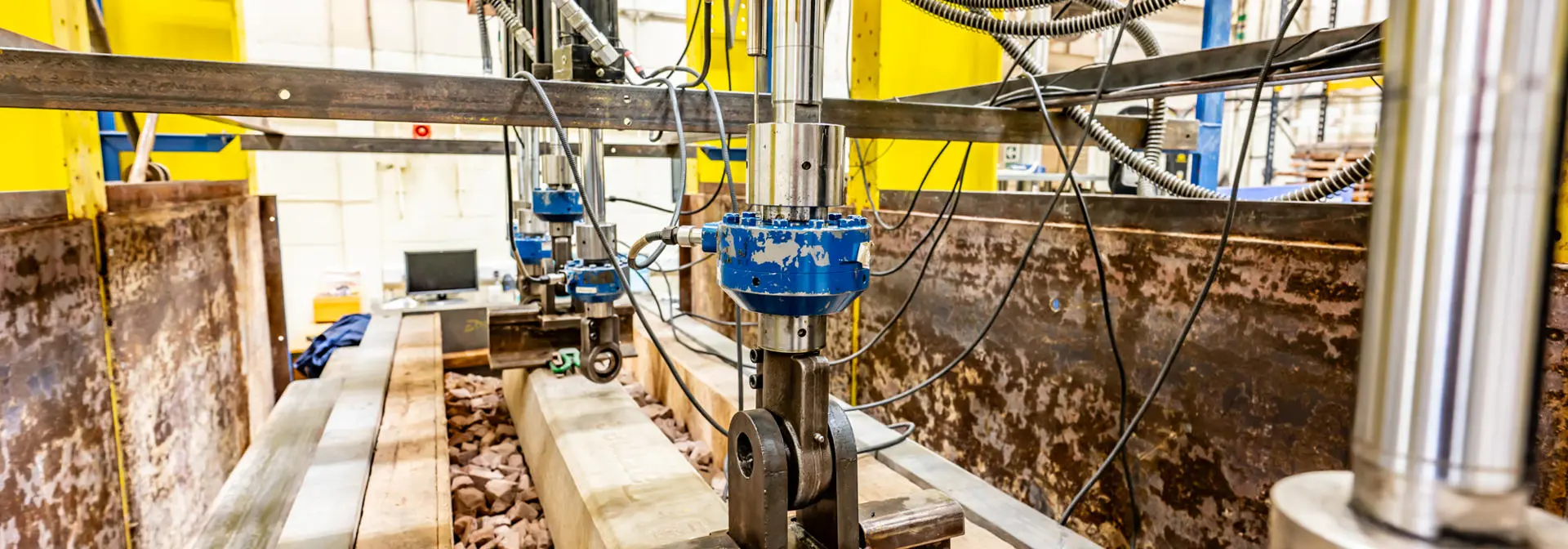
Our Structures research theme has substantial expertise in deterministic and probabilistic numerical modelling, physical testing and theoretical work in various structural materials, particularly in structural concrete, structural reliability and life-cycle cost analysis. Research has been funded by both the Government and the private sector.
Our structural concrete researchers have expertise and interests encompassing: non-destructive examination; development of analytical and numerical models of concrete deterioration caused by loads and aggressive environments; effects of deterioration on both strength and serviceability of structures; and structural aspects or repair and strengthening. These serve as a basis for the development of strategies for lifetime management of concrete structures. Our research in this area has been supported by the EU and BT Openreach. There are significant links between this work and the durability work undertaken within the Construction Materials and GeoMechanics Group.
Dr John Cairns has long term involvement in research into bond behaviour and anchorage of conventional and externally adhesive bonded fibre reinforcement, and in the use of headed bar ends for anchorage in wall/slab connections. This work was funded by Ancon Building Products.
One of our subject specific areas within our structural reliability research is reliability-based assessment of ageing structures based on deterioration modelling, inspection/structural health monitoring and past performance. This research also includes life-cycle cost analysis of deteriorating structures and development of reliability-based maintenance and repair strategies. Another area of reliability assessment is that of marine energy converters, in particular the structural components of tidal stream turbines such as blades and the supporting structure.
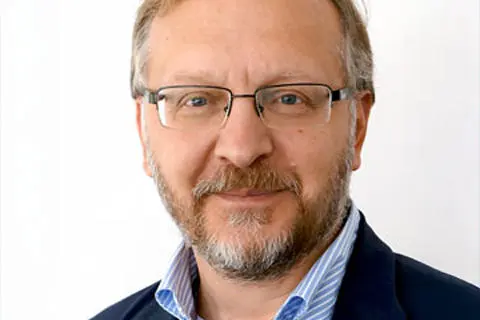
An additional area of our research, led by Professor Dimitri Val, is the modelling of effects of natural hazards on infrastructure systems in conditions of climate change. His work is aimed at developing models capable of simulating the performance of infrastructures systems (e.g. water, energy, transport) and taking into account their interdependencies that will assist in formulating strategies for improving infrastructure resilience.
Project supervisor
Staff contributing to this research area include:
- Dr John Cairns
- Professor Omar Laghrouche
- Professor Dimitri Val
Entry requirements
We welcome applications from suitably qualified candidates. Please visit our How to apply page.
Funding information
| Status | Full Time | Part Time |
|---|---|---|
| Scotland | £5,238 | £2,619 |
| England / Wales / N Ireland | £5,238 | £2,619 |
| International | £27,080 | £13,540 |
- Status: Your residency status is usually defined as the country where you have been ordinarily resident for the three years before the start of your course.
- International: 'International' includes applicants from European Union countries who do not hold Pre-Settled or Settled status in UK. (This does not include students from the Republic of Ireland - see above).
We offer a number of competitive funded scholarships for research degrees. Full or partial support may be available for well-qualified candidates from UK research councils, research pools, charities or industry.
View our full range of scholarships.
Why Heriot-Watt
We have been producing career-ready graduates since 1821. With our roots as the world’s first Mechanics Institute, Heriot-Watt is a pioneering university with a global reach.
At Heriot-Watt, learning goes beyond the lecture theatre. We tackle real world challenges through extraordinary research – from climate change to protecting our oceans, to advancing life-saving medical breakthroughs and shaping the next generation of AI. We are also committed to developing forward-thinking design and sustainable business practices that impact industries worldwide. On our campuses you’ll find some of the world’s most advanced facilities, while our strong industry links set you up for career success. This is why almost 90% of our graduates are in employment or further education (Graduate Outcomes Survey 2024).