Energy in buildings

Buildings account for a significant proportion of global greenhouse gas emissions, largely due to energy consumption for heating, cooling, and electricity. Professor David Jenkins leads the research in this theme, which focuses on addressing the environmental impact of buildings by developing innovative energy-efficient technologies and policies.
The aim is to guide buildings towards net zero through improved insulation, smart energy systems, and renewable energy integration, such as solar panels and heat pumps. This work includes retrofitting existing buildings and designing new structures that are energy self-sufficient, reducing reliance on fossil fuels. Additionally, the research explores how policies can encourage the construction industry to adopt these technologies at scale.
As cities expand and populations grow, the need for sustainable urban development becomes increasingly urgent. The work done in this theme will help create smart, energy-efficient cities that lead the way in reducing carbon footprints worldwide.
The Global Research Institute for Net Zero (iNetZ+) at Heriot-Watt University plays a pivotal role in fostering interdisciplinary research that addresses the most pressing environmental and societal challenges of our time. Through its innovative research themes, iNetZ+ encourages collaboration across our school-based institutes, integrating expertise from engineering, social sciences, and the natural sciences. This collaborative approach is further strengthened by partnerships with other global research institutes at Heriot-Watt, ensuring that our collective efforts push the boundaries of sustainable solutions for a net-zero future.
Our areas of expertise

Where innovation lives: transforming spaces for a net-zero future
Heriot-Watt multi-disciplinary research in Energy in Buildings led by iNetZ+ takes on the challenge of decarbonising spaces with cutting-edge research with real-world solutions.
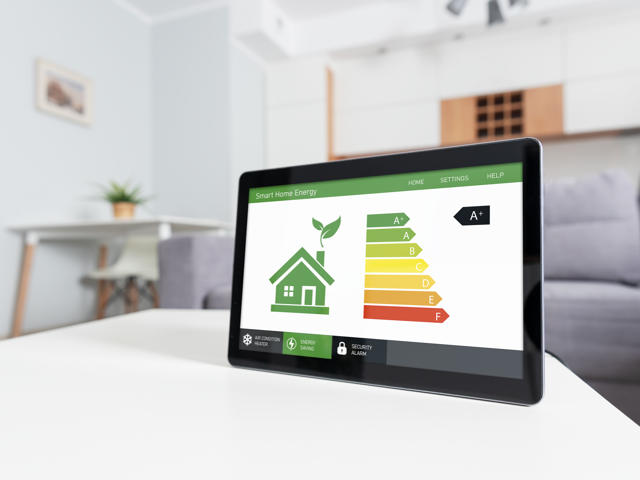
How crossCert and FEDECOM are revolutionising building energy systems in Europe
CrossCert and FEDECOM, two transformative projects reshaping building energy systems across Europe and directly supporting the continent’s ambitious net-zero goals.
The future of energy in buildings with Professor David Jenkins
Professor David Jenkins shares insights on how energy modelling, policy, and real-world solutions can shape the future of energy in buildings.
Related themes and projects

Developing sustainable and circular materials
We're pioneering the exploration and application of diverse materials, central to achieving net zero. Our focus spans from the atomistic to the macroscopic, blending fundamental insights with applied studies and industry collaboration.
Harnessing green hydrogen
We're developing hydrogen production technologies, establishing new methods of transporting fuel and advancing storage solutions. Our researchers champion the use of hydrogen as a renewable energy source across industrial and domestic realms.
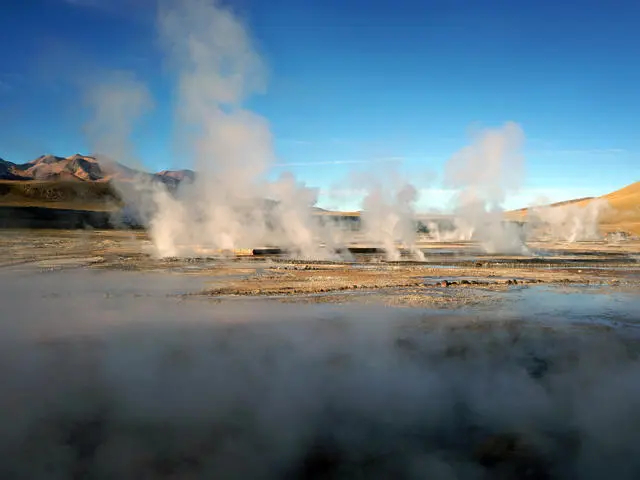
GeoEnergy
Delving into the synergy between low-carbon energy and the subsurface, we investigate geothermal energy production, hydrogen storage, CO2 sequestration, and radioactive waste disposal.