Why education, innovation and resilience are the long-term ambitions for brewing and distilling
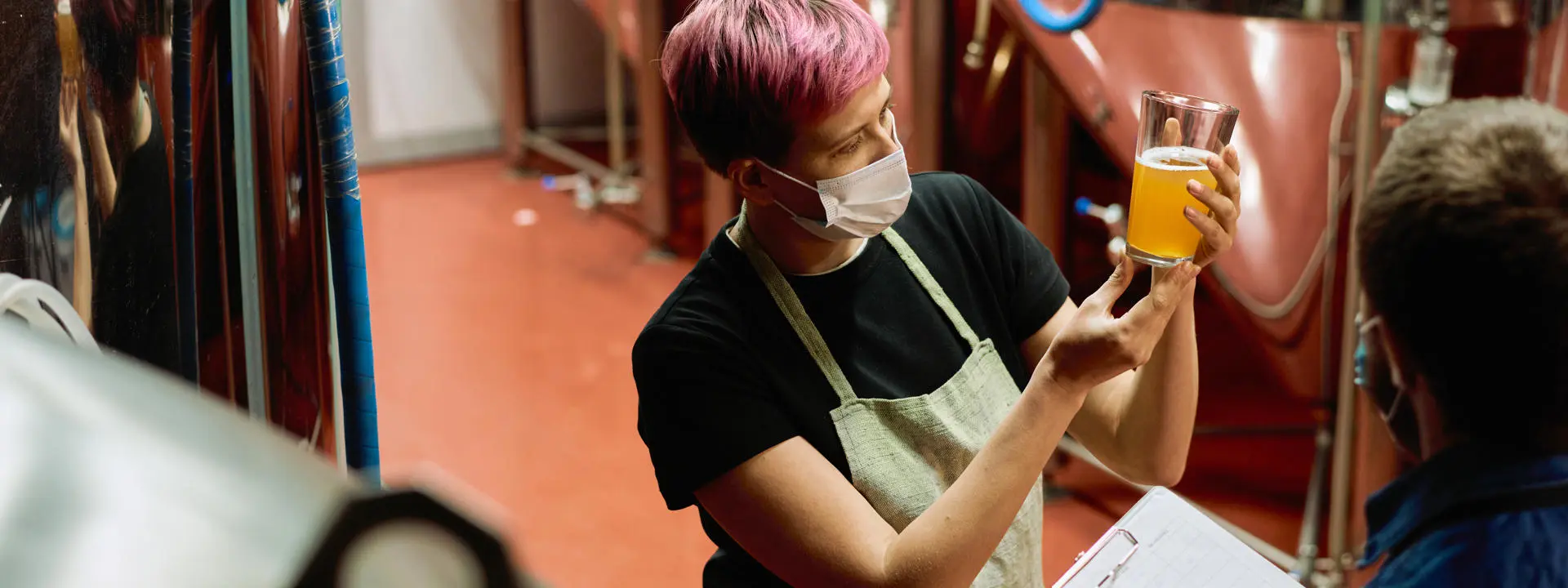
Dr Nathan Skillen is next week holding a webinar on Heriot-Watt’s new MSc in Advanced Sustainability for Brewing and Distilling. He explains how addressing the knowledge and skills gap associated with sustainable brewing and distilling, plus Heriot-Watt’s plans for a new centre, will safeguard the future of these vital industries
When it comes to improving the fortunes of the Scotch whisky industry in 2026, not many people would have placed money on a Royal visit to celebrate the 250th anniversary of American independence to have played a role.
That is what has happened when King Charles’s trip to the USA resulted in the announcement of a tariff ‘thaw’ from President Donald Trump.
The Scottish Distillers Association spoke for many when it said it would "breathe a little easier” by alleviating some pressure on the industry through sales at a time when it is needed.
Ever-changing world
Good news over tariffs is only the beginning. What is really needed is a ‘deep dive’ into what the future holds for brewing and distilling – and how it can adapt and survive in an ever-changing world coping with geopolitical challenges, climate change and decarbonisation strategies.
There is a pressing need to safeguard the future of brewing and distilling so many generations to come can benefit from the skilled jobs, wealth creation and economic growth that fine whisky and beer brings. There is a roadmap in place, including industry net zero targets. What is needed, however, is direction and support in order to reach those targets.
Heriot-Watt University is ready and well equipped to support the sectors transition to a low-carbon future through skilling and reskilling the workforce. This can be achieved by providing people with the knowledge base to facilitate enhanced sustainable practices across the entire holistic process of brewing and distilling.
Next week I’m hosting a webinar to discuss the challenges and opportunities that implementing sustainability within brewing and distilling brings.
A new MSc
It’s also an excellent opportunity to discuss how we aim to support this transition by educating those both joining the sector, as well as already part of it, through a new MSc in Advanced Sustainability for Brewing and Distilling.
In the webinar, I’ll discuss how this new full-time and part-time on-campus and online qualification is specifically tailored to address the growing environmental, economic, technological and social challenges facing the sectors.
This includes core study topics which are industry facing and a customisable curriculum on what is affecting brewing, distilling and malting today, the opportunities for practical, research-led learning, and the specialised courses on offer.
I’ll also focus on how students can utilise the expertise of Heriot-Watt’s brewing and distilling scientists and academics in raw materials, malting, process improvement, sustainability, biochemistry and microbiology, and the opportunity for hands-on experience gained by undertaking lab research projects, and the specialist equipment, software and laboratories used by industry, including Heriot-Watt’s on-site nano-brewery, distillery, and rectification laboratory.
All those attending will find out how this new supported learning will focus on the challenges for years to come.
Challenges of the future
But in attracting the best future talent, Heriot-Watt must also revamp and revitalise itself to meet the challenges of the future. That is why it wants to build a new £35m Centre for Sustainable Brewing and Distilling.
So what would a new CSBD look like? Here’s what Heriot-Watt has outlined on its website:
“Our ambition is for the new CSBD to function as a living laboratory, with the aim of constructing it solely with low-carbon materials, and utilising the university's iNetZ+ research institute to drive forward plans to access all of its power through clean energy. By turning vision into reality, Heriot-Watt believes that CSBD can be a showcase for best practice in sustainable industrial design.
“Inside, the plan is for the centre to house plug-and-play brewing and distilling testbeds, enabling companies to trial new production methods before full-scale adoption, as well as advanced sustainability research labs to develop low-carbon distillation techniques and circular economy solutions. A dedicated entrepreneurial hub will also support startups, spinouts, and SMEs in bringing innovative products to market.
“In doing so, we aim to tackle head-on a fresh set of challenges facing brewing and distilling worldwide as they aim to play their part in tackling the climate crisis while bidding to remain huge drivers of employment and economic wealth around the world.”
Realistic pathways
This is the future for brewing and distilling. Equipping students so they can take their skills and expertise and evaluate current industry practices and design realistic pathways toward decarbonisation, improved resource efficiency, and responsible production, aligned with wider Net Zero goals, into the brewing and distilling industries.
And a modern, integrated hub that combines excellence in research, teaching, and industry collaboration with facilities that allow for the development of low-carbon, resource-efficient innovations for the future of brewing and distilling.
This is the roadmap to a sustainable future. Ultimately, both academia and industry must work together to deliver it.
Dr Nathan Skillen is an Assistant Professor of Sustainability in the university’s International Centre for Brewing and Distilling. Register for the webinar.