International Coccolithophore Day: Microscopic algae with a major climate role
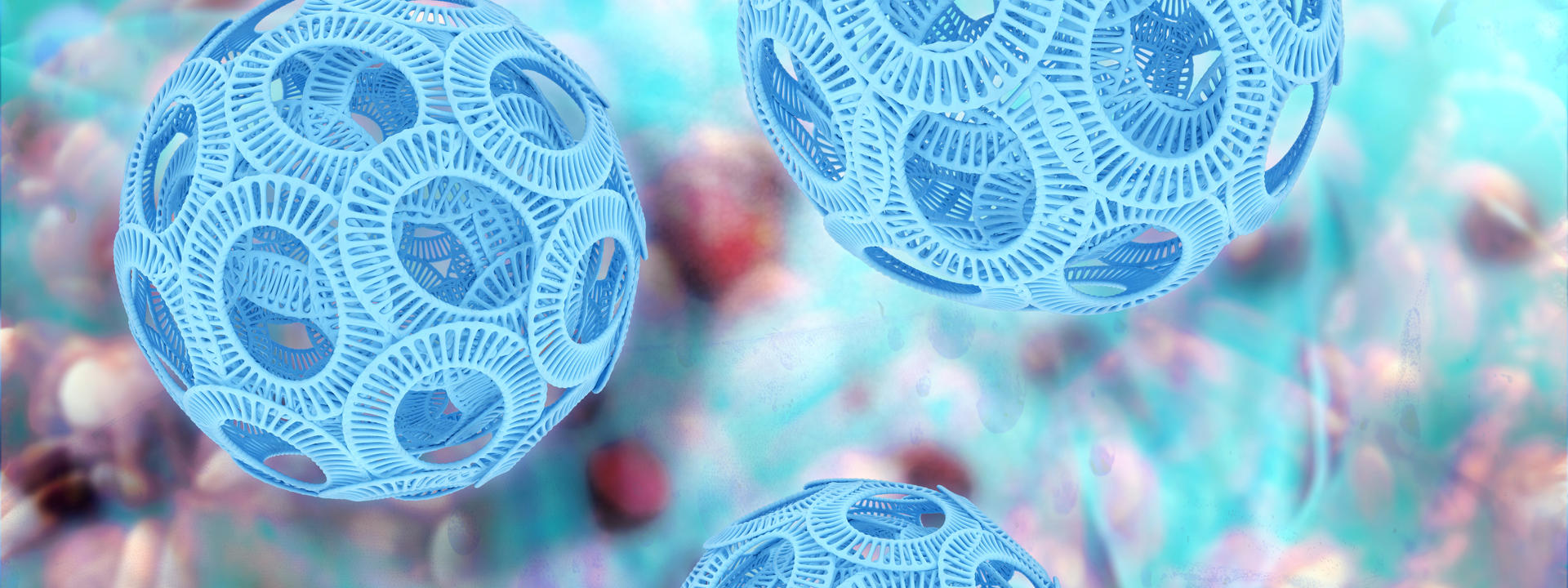
Climate change is transforming the world's oceans, raising questions about the future of the microscopic organisms that help support marine food webs and regulate the Earth's climate.
To mark International Coccolithophore Day, Dr Sarah Cryer, Research Associate at the Lyell Centre, explains why these tiny organisms matter and why understanding their future is important for both marine ecosystems and the global climate.
Despite their microscopic size, coccolithophores are among the ocean's most important organisms. These single-celled algae help sustain marine ecosystems, forming an important source of food for tiny marine animals at the base of the food web, while also playing a vital role in the Earth's carbon cycle and climate.
Sarah Cryer
Research Associate - The Lyell Centre
Each coccolithophore cell is covered by an outer layer of tiny calcium carbonate plates, known as coccoliths, which can be seen in intricate detail under a microscope.
While these plates give coccolithophores their distinctive appearance, they also play an important role in the marine carbon cycle. Like plants on land, coccolithophores use sunlight to grow through photosynthesis. As they do, they absorb carbon dioxide from the atmosphere and surrounding seawater. This helps remove carbon from the environment and contributes to the natural processes that regulate the Earth's climate.
The Challenge of Changing Oceans
However, the oceans that coccolithophores depend on are changing. Rising carbon dioxide levels are making seawater warmer and more acidic, while also altering the availability of nutrients in some regions. Scientists are working to understand how these environmental changes could affect coccolithophores and the important functions they perform. Sarah continued:
"One of the questions we are trying to answer is how coccolithophores will cope as our oceans change.
"As carbon dioxide levels continue to rise, coccolithophores are exposed to multiple environmental pressures at the same time.
"Warmer waters and increasing acidity can affect their ability to grow and build the protective plates that surround each cell.
"If some species become less abundant, this could have knock-on effects for marine food webs and alter how carbon is cycled and stored in the ocean.
"While these organisms are tiny, changes in their populations could have much wider consequences for our climate."
Warmer oceans may alter where coccolithophores can thrive, with some species expected to shift towards cooler waters at higher latitudes.
Research at the Lyell Centre
At the Lyell Centre, researchers are investigating these questions through a range of projects examining both the impacts of environmental change and the role coccolithophores play in ocean chemistry.
Sarah explained how her work, alongside that of PhD researcher Ben Gustafson, is helping to build a clearer picture of the future for these organisms:
"We are working to better understand how coccolithophores respond to environmental change and what that could mean for marine ecosystems and the climate.
“My research in the Iceland Basin investigates how coccolithophores interact with seawater properties that could influence ocean acidification impacts.
“Alongside this, Ben's research combines findings from studies around the world to understand how coccolithophores respond to multiple environmental pressures, such as warming seas, ocean acidification and changes in nutrient availability.
“By combining these approaches, we are building a clearer picture of how these important organisms may fare in the future and what that could mean for the ocean systems that depend on them."
By studying these microscopic algae, researchers hope to improve our understanding of how marine ecosystems may be affected by climate change and how the ocean's ability to store carbon could evolve in the decades ahead.