Urban resilience: air quality and inequality
As the world reflects on the outcomes of the latest COP30 in Brazil, one message is clearer than ever: addressing climate change and biodiversity loss requires science that is interdisciplinary, collaborative, and deeply rooted in the needs of communities.
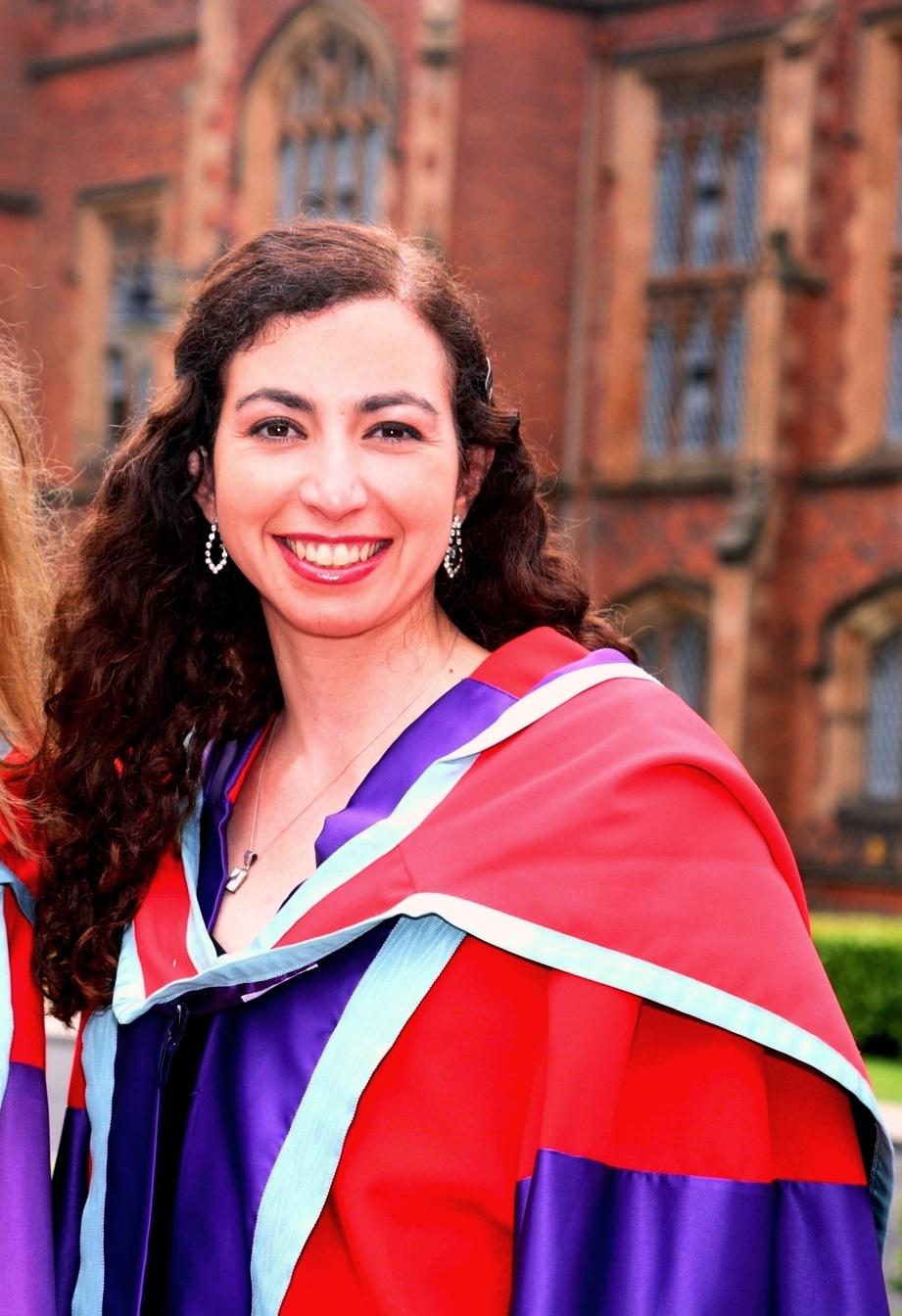
At Heriot-Watt University, this vision is embodied in the work of Dr Claudia Aravena, Associate Professor of Environmental and Energy Economics and newly appointed President of LAERE (Latin American and Caribbean Association of Environmental and Resource Economists).
Academics tend to concentrate on research that is highly publishable, as we often prioritise career progression over implementation or demonstrable impact. However, the landscape for academic evaluation has evolved in the UK and globally. Nowadays, research that directly informs policy, contributes to societal well-being and creates real impact, is at the forefront of evaluations, and is increasingly recognised and valued.
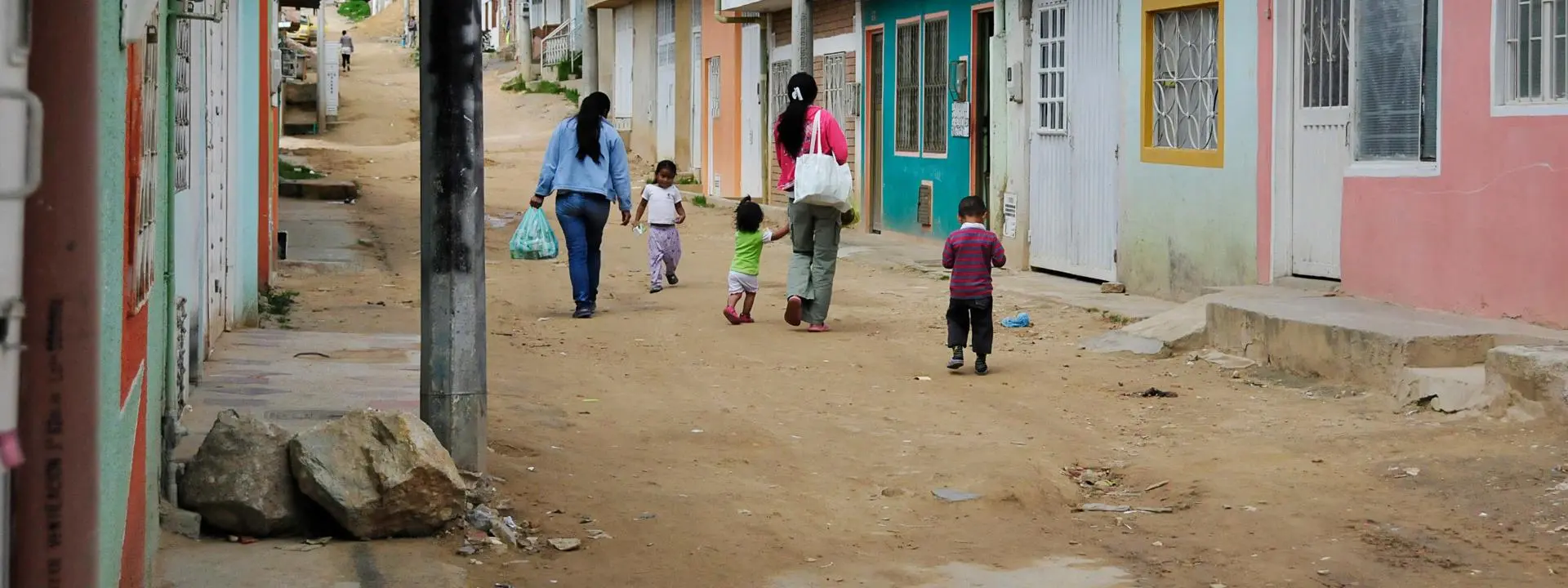
In my work, in collaboration with colleagues from the Departments of Economics and Engineering at Universidad de Los Andes, we have taken science beyond academic outputs into relevant socio-economic challenges; specifically, air quality and inequalities. Inequality has increasingly become a central topic in the public debate, especially in the Global South, where we see that environmental problems tend to affect severely the most vulnerable communities. We found a clear example of this situation in Bogota City, Colombia, where emissions concentrate in the south of the city, where there is a larger population, a lower average income level, and less public infrastructure such as hospitals and other public services. Existing inequality metrics generally focus on the economic and social dimensions; however, the recent COP30 has ratified that the environment is a critical factor significantly affecting society through, for example, health risks.
Inequalities should be examined within an inclusive analytical framework, recognising that disparities emerge across multiple dimensions extending well beyond purely economic or social factors. It is here that the interaction of environmental economics and sustainable development play a fundamental role with other interdisciplinary approaches. More holistic inequality indices, that include environmental components, are essential.
This is the focus of our study on air quality in Bogotá. Although our work centres on emission of particulate matters over carbon emissions, the implications of how detrimental air quality affects people, across different social and income groups, are broad. In our research we found that the areas most affected by particulate matter emissions are also those where the most vulnerable communities live. We see this situation repeated in many other countries, especially in the Global South. When the environmental dimension of inequality is integrated into general inequality indices, the overall inequality increases even further. In terms of air pollution, this means that public policies should not only aim to reduce emissions but also balance environmental objectives with social equity.
When conducting this study, we were surprised to find that the results contrasted sharply with expectations. While air-quality policies traditionally focus on industrial and transportation emissions, our findings revealed that the single most beneficial intervention, to improve air quality and therefore reduce multiple inequalities, in areas with the highest concentration of particulate pollution, would be to pave unpaved roads.
Such a surprising result could not go unnoticed. Although we had some engagement with policymakers and stakeholders at the start of the project, we believed it was necessary to communicate these findings directly to the environmental authorities. We invited them to a joint workshop where we reviewed their ongoing policies on air quality and presented our results and recommendations, with an extremely positive response.
Over time, this collaboration led to the first-ever policy in the city targeting street paving in the areas we identified. Understanding inequality in a multidimensional framework, is essential for designing policies that promote inclusive and sustainable development.
A lesson to learn is the importance of cultivating strong partnerships with well-established institutions, industry, stakeholders, and policymakers from the very beginning, when researchers generate their ideas. Research should be directed toward solving concrete societal and environmental challenges to produce tangible benefits for both people and the planet.
These types of outcomes are very rewarding - for me, more so than a “well published” paper and the number of citations it receives. It produces huge satisfaction to see how it is possible to influence policy decisions and contribute to make a positive change in society.
We should also take these outcomes into the classroom. This is what we must teach our students, because they will be the generation promoting future changes.
As President of LAERE, my objective is to bring together researchers, institutions, and practitioners to strengthen collaboration and to build capacity among young researchers, who will shape the future of the discipline, not just in Latin America but globally. This will be a focus of the 2026 World Congress of Environmental Economics, in June 2026 in Portugal, to encourage a new generation to become engaged in environmental responsibility and social welfare to create an inclusive sustainable future.
Read the published article at this link.
More about this author
See moreDr Claudia Aravena is Associate Professor in Economics. Her research is highly interdisciplinary in a large variety of areas within energy, environmental and behavioural economics. She is conducting research in energy efficiency, energy transition, electric vehicles, hydrogen, valuation and payments for ecosystem services, land use, consumer behaviour, technology adoption, conservation, air quality and inequities, carbon prices and green bonds, among other topics. This research is greatly developed at national and international level with partner universities and stakeholders in the UK, Europe, Latin America, Asia and Africa.