Underwater drones to help Orkney fishermen recover lost fishing gear
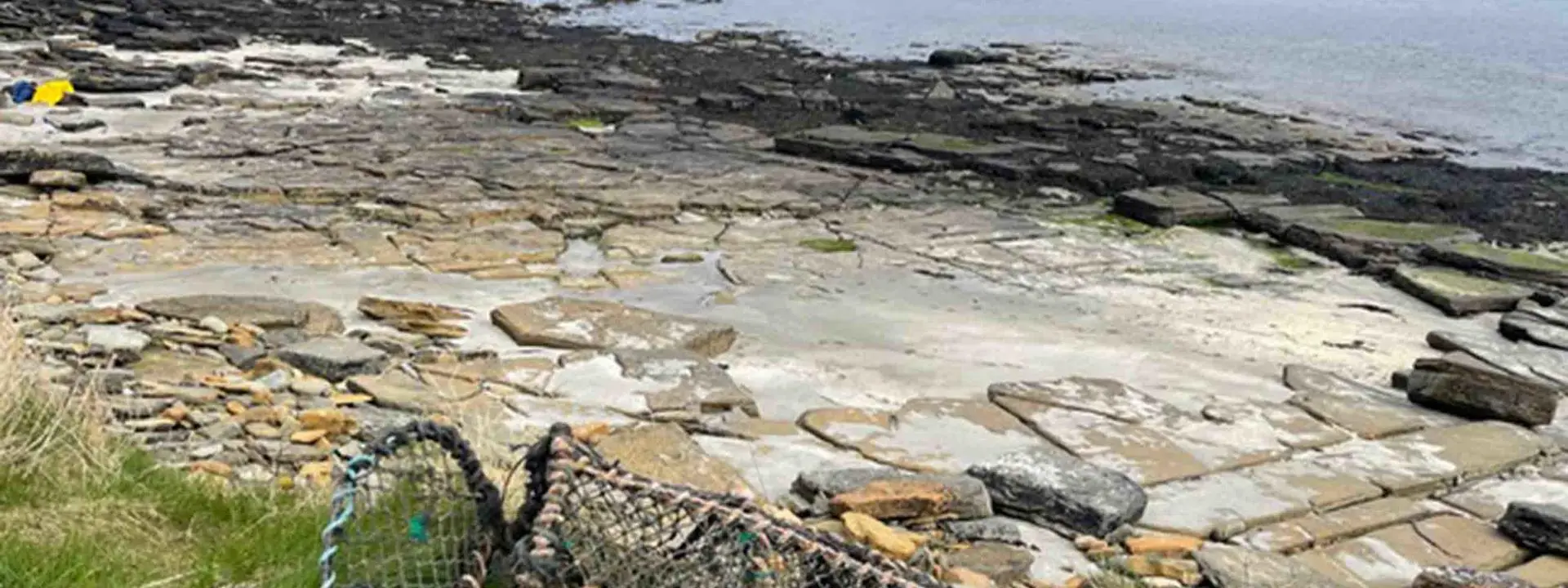
A new project on Orkney will trial underwater drones to find out how well they can find and recover lost fishing gear in the waters around Orkney.
Heriot-Watt University and the Orkney Fisheries Association have secured European Horizon funding for the initiative.
It will tackle two challenges: the economic impact of lost gear for fishermen, and the environmental impact of ‘ghost gear’, fishing equipment that is lost and remains in the water.
Lost gear costs fishermen already facing financial pressure
The first part of the project will focus on identifying any hotspots for lost gear in Orkney’s waters. The researchers and fishermen will then test and trial different underwater drones to find out how effectively they can find, and potentially retrieve, lost gear. Creel fishing for crab and lobster is an important part of Orkney’s fishing industry, with hundreds of pots deployed around the islands.
Lost fishing gear, or ghost gear, can harm the marine environment by entangling animals, but it also creates microplastic pollution from the components of the equipment.
Dr Kristine Cerbule from the International Centre for Island Technology (ICIT)
Individual creels can cost more than £100 and losses can have a significant financial impact on small fishing businesses that are already facing tight margins and high fuel costs.
Alistair Buchan, chief executive of Orkney Fisheries Association, said: “Lost gear is an expensive issue for fishermen and we are extremely keen to explore practical ways to minimise those losses.
“We start from a strong position. Orkney’s fishermen are acutely aware of the importance of the marine environment and our crews already bring litter back from the sea every day.
“Our fishermen use sturdy equipment; creels weigh around 25kg and they are designed to withstand difficult sea conditions. They are typically lost during adverse weather, which of course we experience regularly on Orkney.
“This innovative project will benefit the fishermen and island economy, and enhance the incredible waters that are home to our internationally renowned lobster and crab.”
Addressing several challenges at once
Dr Kristine Cerbule, from Heriot-Watt's International Centre for Island Technology (ICIT) on Orkney, said: “Lost fishing gear, or ghost gear, can harm the marine environment by entangling animals, but it also creates microplastic pollution from the components of the equipment.
“Retrieving lost gear gives us an opportunity to tackle several problems at once.
“We can potentially return valuable equipment to fishermen, and reduce litter in the marine environment.
“Our first step will be to meet fishermen and the wider community to identify where gear is most commonly lost and understand how recovery could work safely and practically.
“We’ll use underwater drones to locate and film gear and then explore whether they can play a role in the recovery itself, for example by attaching a hook and line so the gear can be winched back to the surface.
“The tidal conditions around Orkney can be extreme, so we will be pushing the capabilities of the technology.
“If we can develop an approach that works here, it could have potential for other fisheries.”
Professor Sandy Kerr, director of Heriot-Watt’s ICIT, said: “This project is the latest in a long line of partnerships between Heriot-Watt and the businesses, charities and public bodies that make Orkney what it is.
“We all want to achieve a genuinely sustainable, prosperous island economy for Orkney and keep the islands thriving for the generations to come.”
The project team expects to start testing the drone equipment in spring 2027.
Image credit: Dr Kristine Cerbule.