Tiny methane hotspots mean one-off well inspections could mischaracterise major leaks
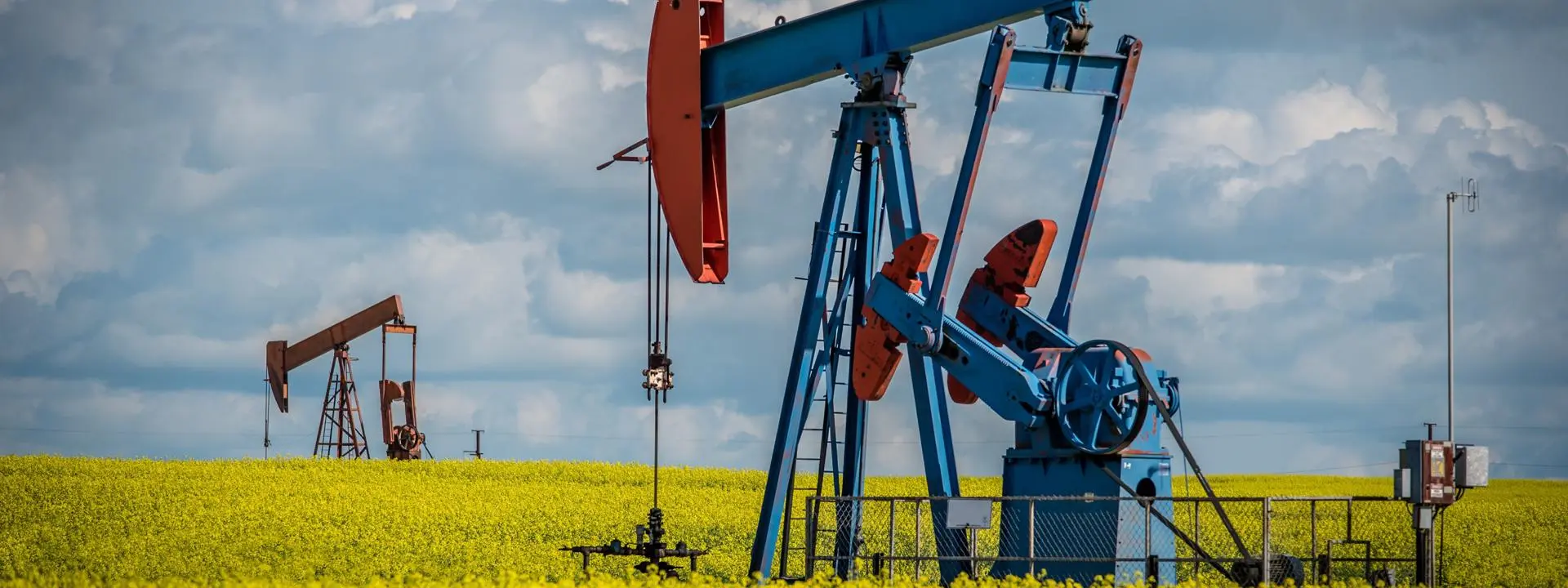
Methane leakage from abandoned oil and gas wells may be far more variable than previously understood, according to new research from Heriot-Watt University.
Published in the Journal of Geophysical Research: Atmospheres, the study found that emissions from a plugged and abandoned gas well buried beneath several metres of soil in northeastern British Columbia changed significantly over time and were concentrated within an area of just one square metre, roughly the size of a doormat.
The findings suggest that the highly localised nature of methane hotspots means that coarse-scale surveys could overlook some leaks, while single "snapshot" surveys can fail to capture representative emissions, potentially affecting estimates of the climate impact of inactive and abandoned wells.
Over approximately 70 hours of continuous monitoring, researchers repeatedly measured methane and carbon dioxide emissions from an integrity-compromised well in British Columbia. Methane was concentrated within a persistent hotspot covering around one square metre, while carbon dioxide was spread across a much larger area.
Dr Aaron Cahill, Associate Professor of Applied Geoscience & Environmental Risk at the Lyell Centre for Earth and Marine Science, Heriot-Watt University, said: “The small methane footprint meant surveys with limited spatial coverage could easily miss the main leak. Even when measurements were taken directly above the hotspot, timing proved critical. A single measurement frequently failed to reflect the well's average daily emissions, while repeated measurements provided a much more reliable estimate.
"For example, we found that methane leakage from this well was concentrated in a very small area and varied over time. That variability has important implications for how emissions are monitored, reported and managed. Understanding it will help us improve greenhouse gas inventories, identify higher-risk wells and make better-informed decisions about remediation."
Researchers also found that while weather and soil conditions influenced baseline methane emissions, the largest emission spikes could not be explained by environmental factors alone, suggesting intermittent changes within the subsurface leakage system.
The findings indicate that individual abandoned wells may behave less consistently than some monitoring approaches assume. While large-scale surveys remain essential for screening thousands of sites, the researchers say short-term measurements should not automatically be treated as representative of longer-term emissions.
Benjamin Pullen, lead author of the study and a GeoEnergy Engineering PhD student at Heriot-Watt University, said: "Snapshot surveys remain an essential tool for identifying potential problem wells across large regions. However, our research shows it's important to recognise the difference between a measurement taken at a single moment and a representative estimate of emissions over time.
"By combining repeated measurements with detailed site surveys, we can build a more complete understanding of how and when methane is being released, helping to improve monitoring strategies and emissions estimates."
The researchers say repeated measurements, detailed site surveys and monitoring of both methane and carbon dioxide could improve future assessments of legacy-well emissions.
Beyond abandoned wells, the findings could also inform greenhouse gas reporting, well-remediation programmes and monitoring strategies for geological carbon storage projects that intersect older oil and gas infrastructure.
The open-access paper, "Separating Environmental Modulation from Source Intermittency in Methane Leakage from a Legacy Well in British Columbia", is available at: https://doi.org/10.1029/2026JD046590.