'The God of Small Things' – A nanotechnologist’s view of Creation
Where does religion sit in a complex world where science is progressing at an ever-faster rate? Is God getting smaller or can science and faith shed light on each other? The renowned nanotechnologist, Professor Russell Cowburn FRS, from Cambridge University, explores such questions in the annual public lecture held by Heriot-Watt University in February. The popular event comes as the University celebrates the 60th anniversary of the granting of its Royal Charter.
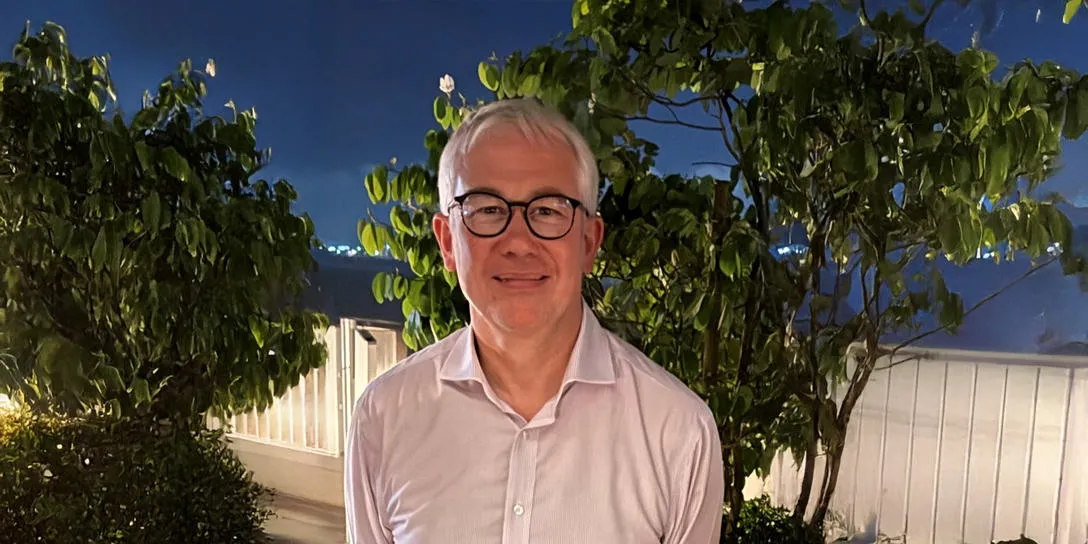
I think we’re seeing a change in public discourse. It used to be that I would spend all my time talking about questions of incompatibility
Professor Russell Cowburn FRS
Professor of Experimental Physics, Cavendish Laboratory, Cambridge University
According to Professor Cowburn, we are in “a golden era for science and faith to work together”. In his view, science informs and enriches faith by telling us more about the created world – especially at the nano level. “In terms of the ability of science to reveal the creative order, we're getting a lot of revelation very quickly, but the implications of our science, be it AI, be it climate change, are also happening very fast.”
Ethical guidance, he believes, is an area where religion has an important – even urgent – role. Religion informs ethics, as he explains. “We really need a good clear handle on the ethics of our science, and religion is much better at asking questions about how I decide what is the good thing to do here.”
It is not only a philosophical question. Nanotechnology has the potential to be a force for good, addressing many of society’s big challenges from reducing the power consumption of AI, to tackling climate change and the search for new antibiotics.
Professor Cowburn says the relationship between science and faith can therefore be reframed. For him, a more interesting starting point is: “How does your faith help your science? How does your science help your faith?
“I think we’re seeing a change in public discourse. It used to be that I would spend all my time talking about questions of incompatibility.
Now you move on from that pretty quickly and people say ‘ok, show me what it looks like for these two things to walk hand in hand’.”
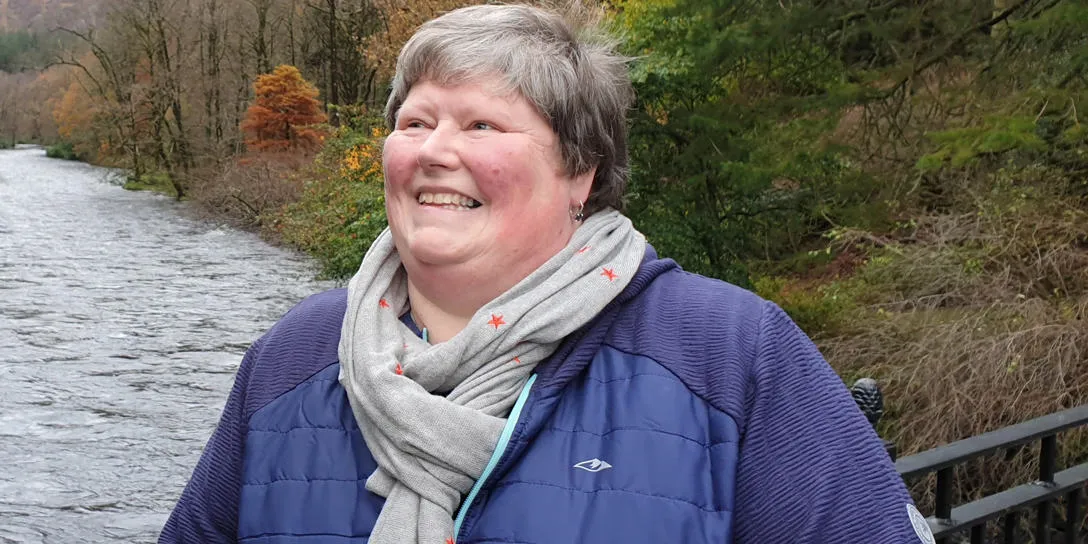
The Reverend Jane Howitt, Chaplain of Heriot-Watt University, says: “We are delighted to welcome Professor Russell Cowburn, whose work shows how science and faith can illuminate one another.
His nanotechnologist’s journey through the building blocks of creation promises to inspire curiosity, wonder and thoughtful conversation among staff, students and the wider public.”
The lecture is free and will be held on Monday 2 February, at 19:00, in the James Watt Centre at Heriot Watt’s Edinburgh Campus. Refreshments will be available from 18:00.
To attend in person, please follow this link to register on Eventbrite. BSL interpretation will be provided.
Professor Cowburn will also be delivering an address at a service celebrating the 60th anniversary of the University’s Royal Charter. This service will be held in Currie Kirk on Sunday 1st February at 11.15am. The public, members of staff and students are warmly invited to attend and more details are available from the Chaplain, the Reverend Jane Howitt.