Seventy nine Scottish medtech firms supported for global export
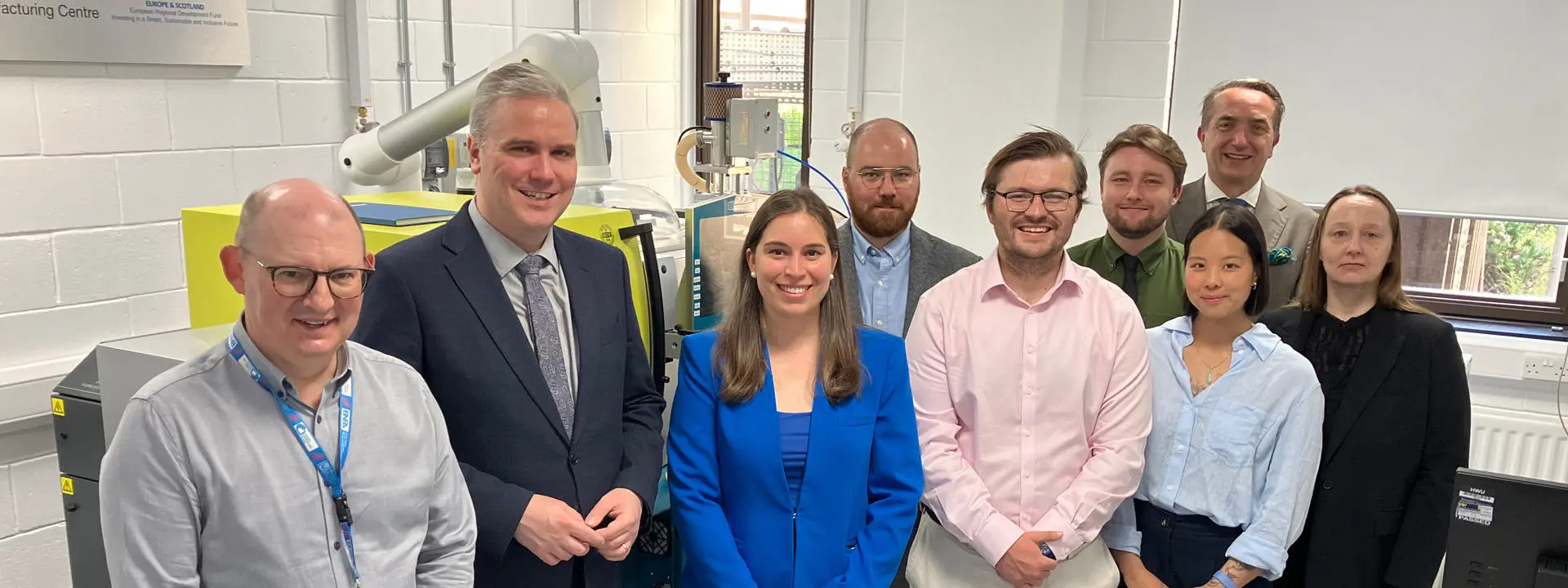
Seventy nine Scotland-based medtech companies have moved closer to international regulatory approval thanks to guidance from Heriot-Watt University’s Medical Device Manufacturing Centre (MDMC).
Heriot-Watt leads the MDMC, a consortium whose other members include the universities of Glasgow, Edinburgh and Dundee, and Robert Gordon University.
The innovations range from respiratory devices to help children with cystic fibrosis breathe more easily to pockets designed to absorb leaks from stoma bags.
Over the last four years, the MDMC has provided free, specialist advice on medical device regulations to life science SMEs across Scotland, with a strong emphasis on accessing the United States Food and Drug Administration (FDA), as well as the UK and EU.
With our expert colleagues, we have given these Scottish SMEs clear roadmaps, connected them with experts and de-risked the process so they can focus on developing safe, effective products.
Professor Marc Desmulliez
Since 2020, MDMC activity has helped to facilitate significant investment into Scottish medtech and supported the creation and safeguard of over 259 high‑value jobs, working with over 178 companies, or 65%, of Scotland’s medical device manufacturing base.
The MDMC team was approached by Scottish Enterprise, an agency of the Scottish Government, with Scottish Enterprise’s international arm Scottish Development International (SDI) providing the support to medtech companies.
Four programmes of support were developed, allowing companies to access up to three days of bespoke consultancy from expert regulatory partners, alongside workshops and training provided by the MDMC and their experts.
Regulation 'one of the biggest hurdles'
Professor Marc Desmulliez, manager of the MDMC from Heriot-Watt's School of Engineering and Physical Sciences, said: “Demand has been consistently strong for this support, and we have had a steady stream of requests from emerging innovators and entrepreneurs.
“Regulation is one of the biggest hurdles facing young medtech companies.
“A full regulatory file for the US market alone can easily cost tens of thousands of pounds, which is a stretch for many early-stage businesses.
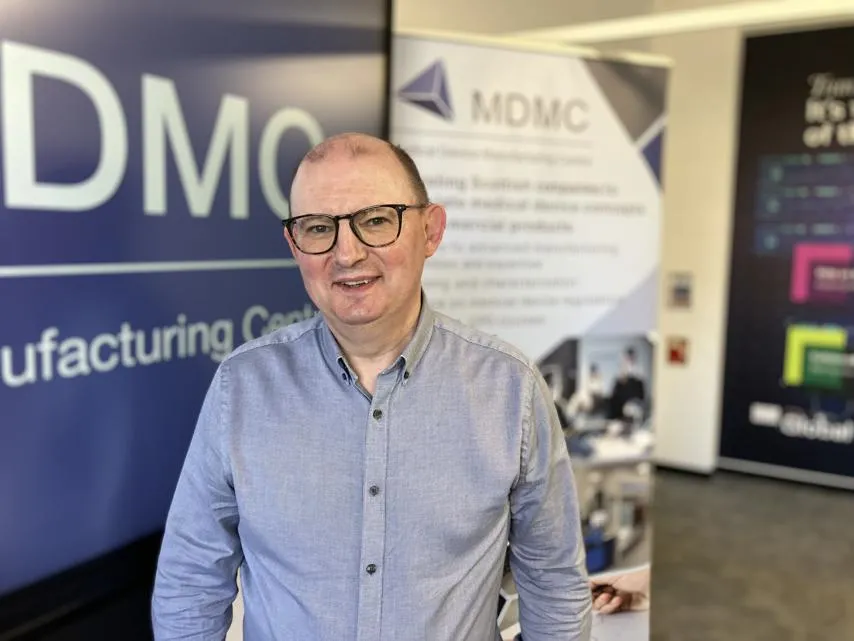
“With our expert colleagues, we have given these Scottish SMEs clear roadmaps, connected them with experts and de-risked the process so they can focus on developing safe, effective products.”
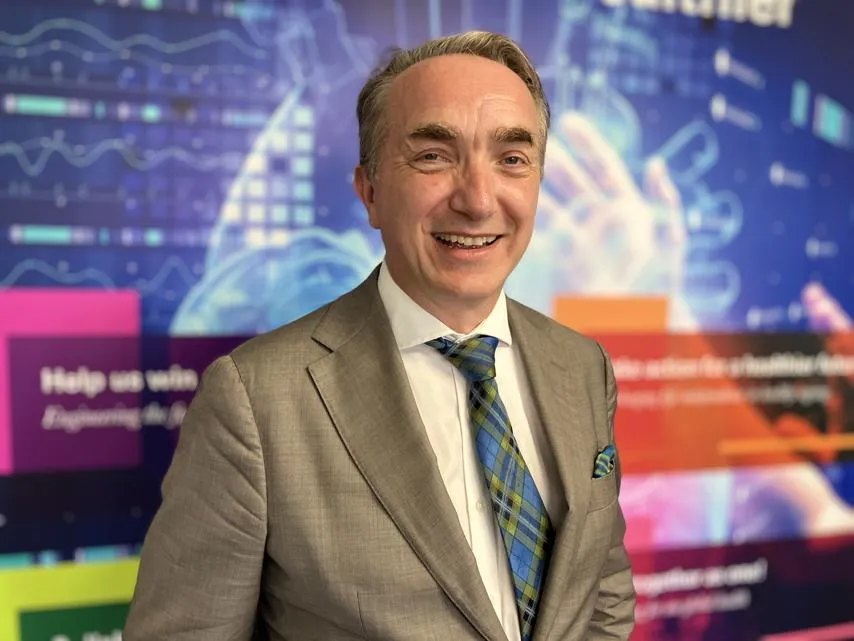
Professor Chris Turney, Deputy Principal for Research and Innovation at Heriot-Watt University said: “Medical devices represent a substantial part of Scotland’s life sciences exports, yet the companies behind them are often small, highly specialised teams.
“When they can access the right regulatory guidance at the right time, it accelerates everything, from product design and clinical planning through to market entry and export. “That is exactly what this collaboration between Heriot‑Watt, government and support agencies is delivering.”
The MDMC team worked with university spin outs, microbusinesses and scale ups preparing for international expansion.
Turning inovation into global commercial success
Minister for Business Tom Arthur said: “Removing regulatory barriers is central to our export ambition and, through the Life Sciences Sector Export Plan, the MDMC is helping Scottish medtech businesses get the expert support they need to compete and succeed in global markets.
“Turning world-class innovation into global commercial success is key to our Life Sciences Strategy 2035.
“The Scottish Government is supporting business to attract investment, protect high-value jobs and supply innovative products to patients around the world.”
Julie Morrison, Head of Global Trade, Science & Technology at Scottish Enterprise said: “Scotland’s life sciences sector is a major driver of economic growth, delivering £4 billion in exports in 2023, with medtech alone accounting for £2 billion of that total.
“Through the MDMC we are helping Scottish companies overcome some of the most complex barriers to internationalisation, particularly navigating global regulatory frameworks that can otherwise slow or prevent market entry.
“As a recognised centre of excellence, MDMC is providing the specialist expertise and practical support that medtech innovators need to become market-ready for entry into key markets such as the United States.
“In doing so, we are supporting the delivery of Scotland’s Life Sciences Sector Export Plan and ensuring more companies can scale, export and compete globally.
“To date, more than 75 companies have been supported on their export journey, underlining both the demand for this support and the strength of Scotland’s medtech pipeline."
Devices for diabetes, vascular care and chronic conditions
The regulatory support initiative sits within MDMC’s wider offer of low‑cost manufacturing, prototyping and sustainability expertise for Scottish medical device companies.
Professor Desmulliez said: “Companies have used the support to develop or improve prototypes, critical regulatory documentation, engage with regulators and strengthen their case to investors.
“This helped facilitate over £29million of investment over the last three years.
“They work across a wide range of clinical areas, from diabetes and vascular care to digital health and devices for people living with chronic conditions.
“But what unites them is their determination to improve care. Many are led by clinicians or founders who have experience of the problem they want to solve, which brings a strong focus to unmet patient needs.
“Providing these companies with the regulatory support they need to expand will bring economic benefit to Scotland, but it will benefit people worldwide.”
The MDMC is currently preparing its business plan for the next tranche of funding for the next three years to enhance and enlarge its offering in medtech expertise in collaboration with the key stakeholders in the sector.