Scientists track down source of whisky’s tropical taste
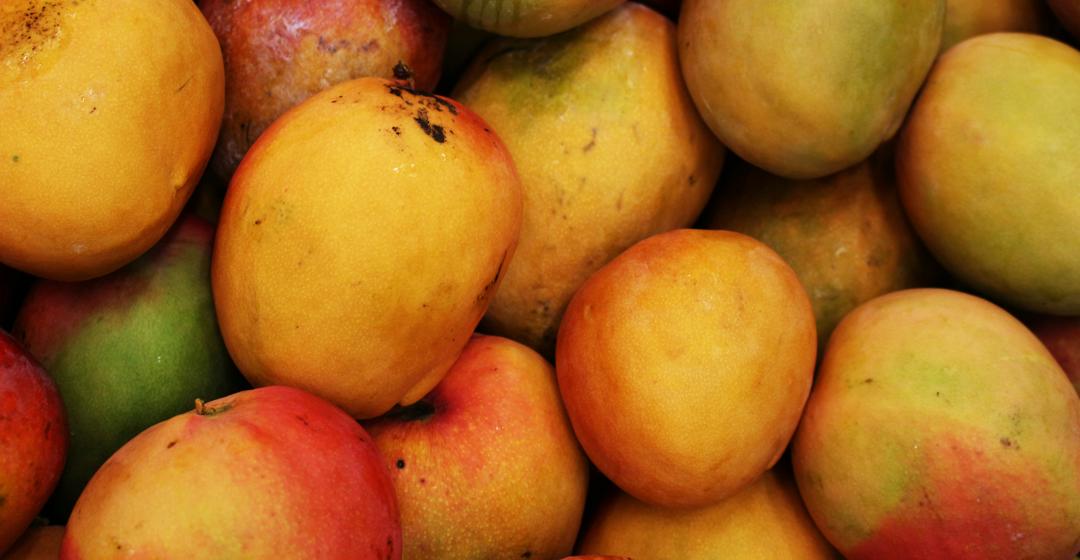
Scientists have identified some of the chemical culprits behind the tropical twist hiding in some malt whiskies.
Heriot-Watt researchers, working with Japanese drinks giant Kirin, say they’ve uncovered compounds that contribute to the development of the mango-like aroma found in certain Scottish and Irish whiskies.
Takehiko Hiura, a PhD student at Heriot-Watt, analysed 14 whiskies from Scotland and Ireland and found that aldehydes and acetals, compounds that are common in whiskies, can increase tropical aroma properties.
Fruity notes like banana, apple and pear have long been linked to esters, which are produced during fermentation. But we didn’t know where the mango flavour was coming from - and now we do.
Annie Hill
Professor from Heriot-Watt’s International Centre for Brewing and Distilling (ICBD)
Producers could dial up or tone down tropical aromas
The study found that one whisky contained particularly high levels of three key compounds: isobutyraldehyde, isovaleraldehyde and isovaleraldehyde diethyl acetal.
When the team spiked a whisky presenting as low for mango aroma with these chemicals, the fruity aroma increased substantially.
Dr Calum Holmes, also from the ICBD, said: “The compounds that we found contribute to tropical notes, the aldehydes and acetals, aren’t new to whisky, they’re well understood.
“For whisky producers, that’s good news: it means they can hopefully dial up or tone down tropical aromas by manipulating existing process steps.”
The research was reported in the Journal of the American Society of Brewing Chemists.
Heriot-Watt is raising £35million for its new Centre for Sustainable Brewing and Distilling.