New field evidence from Canada shows old wells can leave a hidden leakage footprint
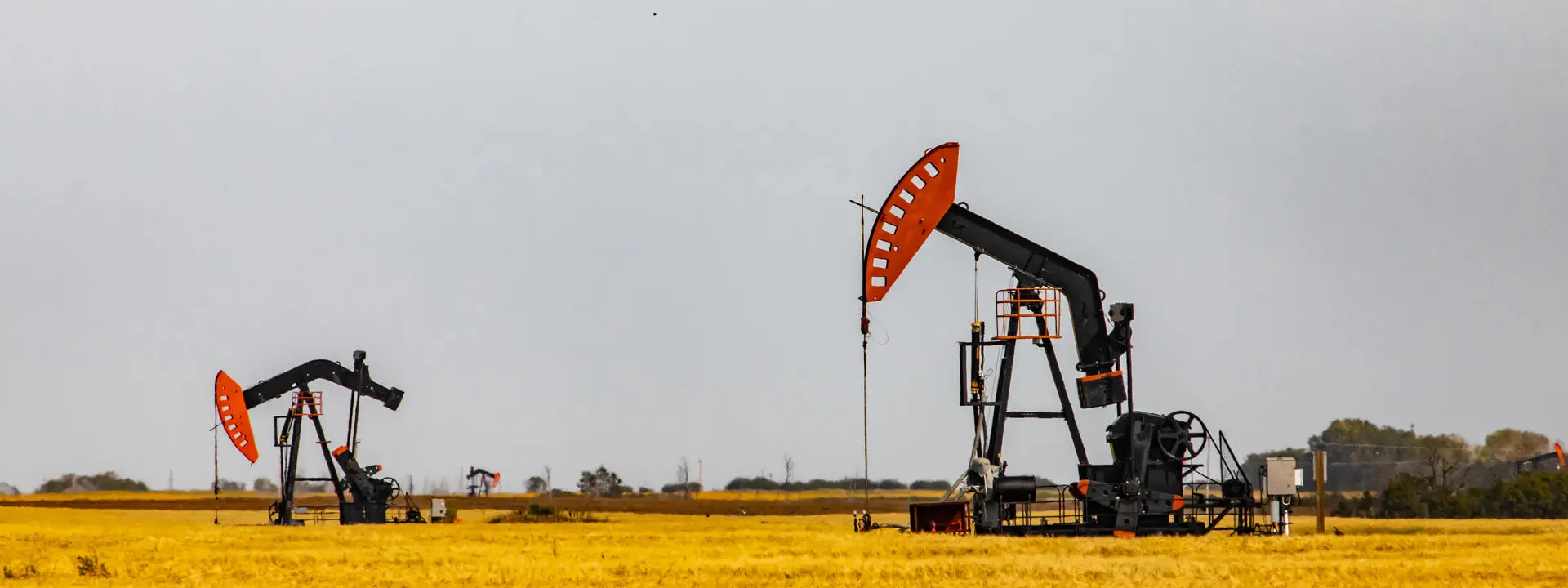
Legacy oil and gas wells may leave a more complex and persistent methane leakage footprint than surface-only monitoring approaches reveal, according to new research published in Geophysical Research Letters.
The study, led by researchers at The Lyell Centre, Heriot-Watt University, investigated persistent methane leakage from a legacy petroleum well in British Columbia, Canada. By combining repeated methane and carbon dioxide flux surveys with shallow geophysical measurements and soil geochemical analysis, the team identified a compact surface emission core embedded within a broader subsurface electrical and geochemical footprint.
The results show that persistent leakage is not simply a surface-confined signal. While surface methane and carbon dioxide fluxes were spatially localised and temporally variable, the associated shallow subsurface and soil geochemical signatures extended beyond the immediate surface flux footprint.
Surface methane measurements are essential, but they do not always capture the full leakage expression. Our results show that persistent leakage can leave a broader subsurface and soil geochemical footprint, which provides important context for assessing legacy well integrity and environmental risk
Dr Aaron Cahill
Associate Professor of Applied Geoscience and Environmental Risk at Heriot-Watt University
The study provides what the authors believe is the first direct field demonstration of a nested, multi-domain environmental footprint associated with persistent methane leakage from a legacy petroleum well. The findings support the use of multi-line-of-evidence monitoring approaches, particularly where surface emissions are intermittent, spatially patchy or strongly influenced by environmental conditions.
Dr Cahill added: “Relying on one measurement approach risks missing part of the picture. Persistent leakage can leave a wider and more durable environmental signature than surface methane measurements alone would suggest.”
The findings are relevant to regions with large numbers of non-producing wells, including Canada, where legacy oil and gas infrastructure represents an ongoing monitoring and environmental management challenge. The work may also inform monitoring strategies for carbon capture and storage, where confidence in detecting and interpreting potential leakage pathways is central to long-term containment assurance.
The paper, A Multi-Scale Geophysical-Geochemical Footprint of Persistent Methane Leakage at a Legacy Petroleum Well, is published in Geophysical Research Letters.