Low-income fishers most negatively impacted by plastic pollution in Vietnam
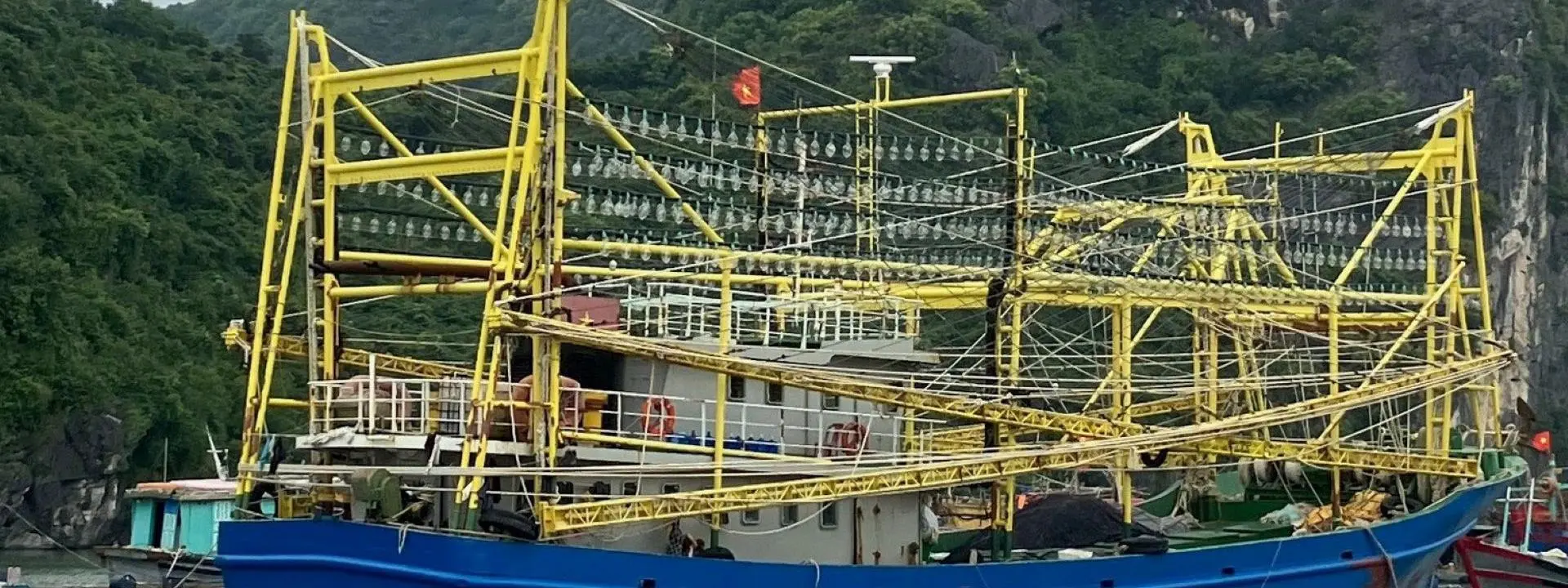
Small-scale fishing communities in Vietnam are bearing the brunt of marine plastic pollution, experiencing significant economic losses alongside growing social and health impacts new research featured in ‘Communications Earth and Environment’ has shown.
The five-year study of Vietnam plastic pollution, led by The Lyell Centre, Heriot-Watt University’s global institute for Earth and marine sciences, and Phenikaa University in Vietnam, examined nearshore fishing communities located in delta front regions - areas just offshore where large rivers meet the sea and slow down, causing mud, sand, and debris (including plastic) to settle on the shallow seafloor.
It found that plastic pollution imposes significant hidden costs on low-income fishers, amounting to up to 18% in estimated annual vessel revenue.
The impacts of plastic pollution in the area are also not evenly distributed with nearshore fishers operating close to estuaries facing greater economic losses and safety risks than fishers in wider-spread regions.
These fishers reported elevated health and safety risks, especially during the monsoon season, when intense rainfall, high-velocity surface runoff, and stronger wind-driven currents flush accumulated land-based waste into waterways.
Almost half (45%) of fishers experienced propeller entanglement with discarded or lost ropes and fishing nets, with a median of four incidents per year, increasing repair costs, downtime and risk at sea.
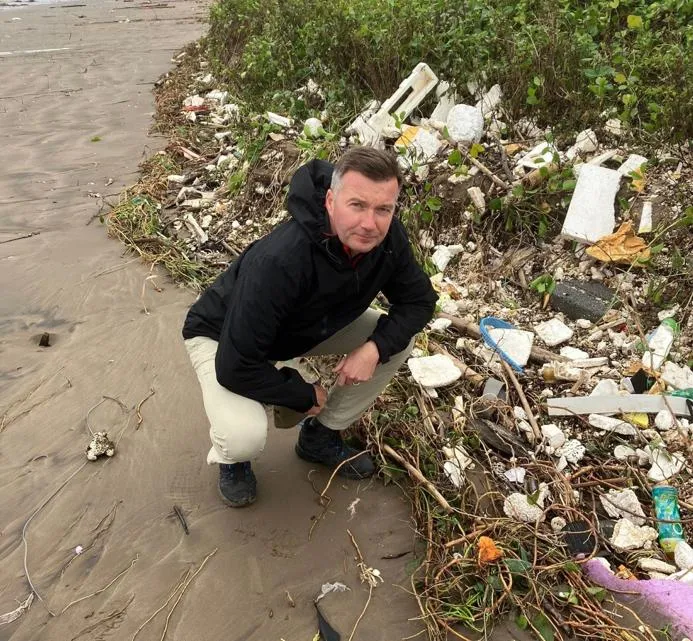
However, the study also highlighted that fishers further upstream, particularly those already operating on narrow profit margins, are increasingly affected as plastics accumulate and move through river systems - amplifying inequities along the entire river-coastal continuum.
Professor Michel Kaiser, Co-Investigator at Heriot-Watt University, said: “This research shows that plastic pollution is not just an environmental problem but a serious economic and social issue for low-income fishing communities in Vietnam. Nearshore and delta-front fishers are facing hidden costs that can take a significant share of their annual income, alongside increased safety risks and health concerns, particularly during the monsoon season.”
Researchers worked closely with local communities across the course of the project to assist them in better understanding plastic flows and when and where plastic pollution hotspots where likely to occur.
Communities proposed practical solutions and expressed a willingness to participate in centrally managed schemes to address the marine plastic waste issue. Fishers emphasised the need for incentive-based plastic collection programmes where fishers would be compensated for collecting marine plastic waste.
Professor Kaiser continued: “By working closely with fishers and coastal communities, we were able to identify where these impacts are felt most acutely and co-develop practical, locally supported solutions. Our findings highlight the importance of incentive-based collection schemes that prioritise socioeconomic hotspots and place human wellbeing at the heart of plastic pollution mitigation and sustainable ocean management.”
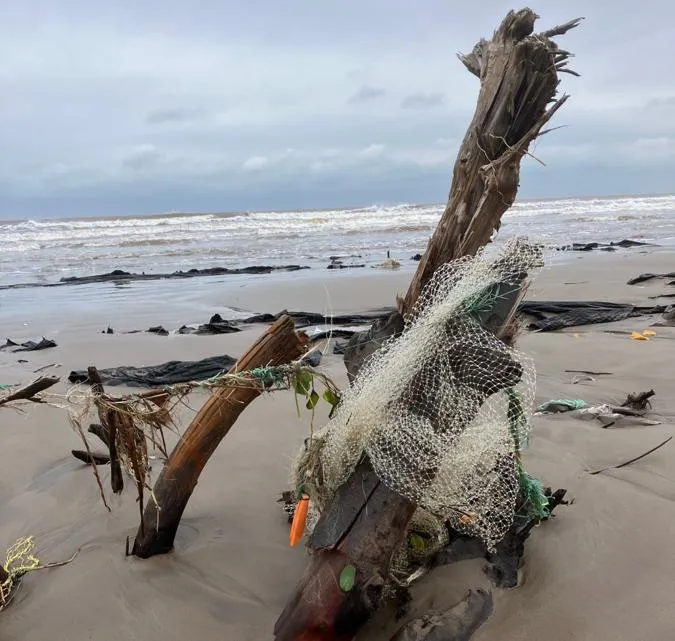
The findings - alongside other elements of the project such as citizen science initiatives and engagement with government - support efforts to address plastic pollution in Vietnam, which is estimated to contribute around four per cent of global plastic waste. By identifying economic impact hotspots and co‑designing solutions with affected communities, the project also draws on the Lyell Centre’s expertise in the wellbeing economy, which seeks to create a fairer, more equitable society.
It highlights how plastic pollution and wider environmental degradation affect livelihoods, safety, and community resilience, demonstrating that effective and sustainable ocean management must prioritise human wellbeing alongside environmental outcomes.
This research comes as the Lyell Centre marks its 10-year anniversary in 2026, celebrating a decade of interdisciplinary research alongside the British Geological Survey, that addresses environmental challenges.
‘Sources, sinks and solutions for the impact of plastic on coastal communities in Vietnam’ is funded by the UKRI-NERC through Global Challenges Research Fund (GCRF) programme.
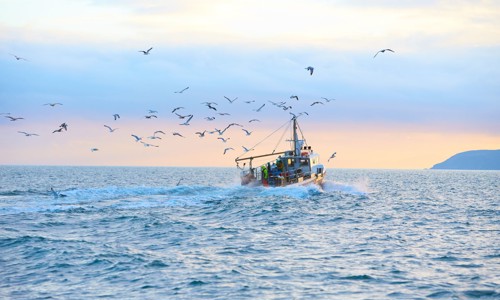
Image credit: Professor Michel Kaiser, Heriot-Watt University
Contact
Louise Jack
Related content
Tackling the plastic problem
Addressing the escalating issue of plastic pollution in the ocean. Researchers are developing innovative solutions to reduce the harmful effects of plastics on marine ecosystems.

Podcast: Exploring the 'blue doughnut' and the wellbeing economy for fisheries
In a new episode of The Scotsman's Sustainable Scotland podcast Dr Ingrid Kelling explains the concept of a wellbeing economy and how it impacts fisheries.
Sustainable fisheries – bridging science, industry and technology
Advancing sustainable fishing practices through industry-science collaboration.