Human resources tool could help employers prepare for digital twinning
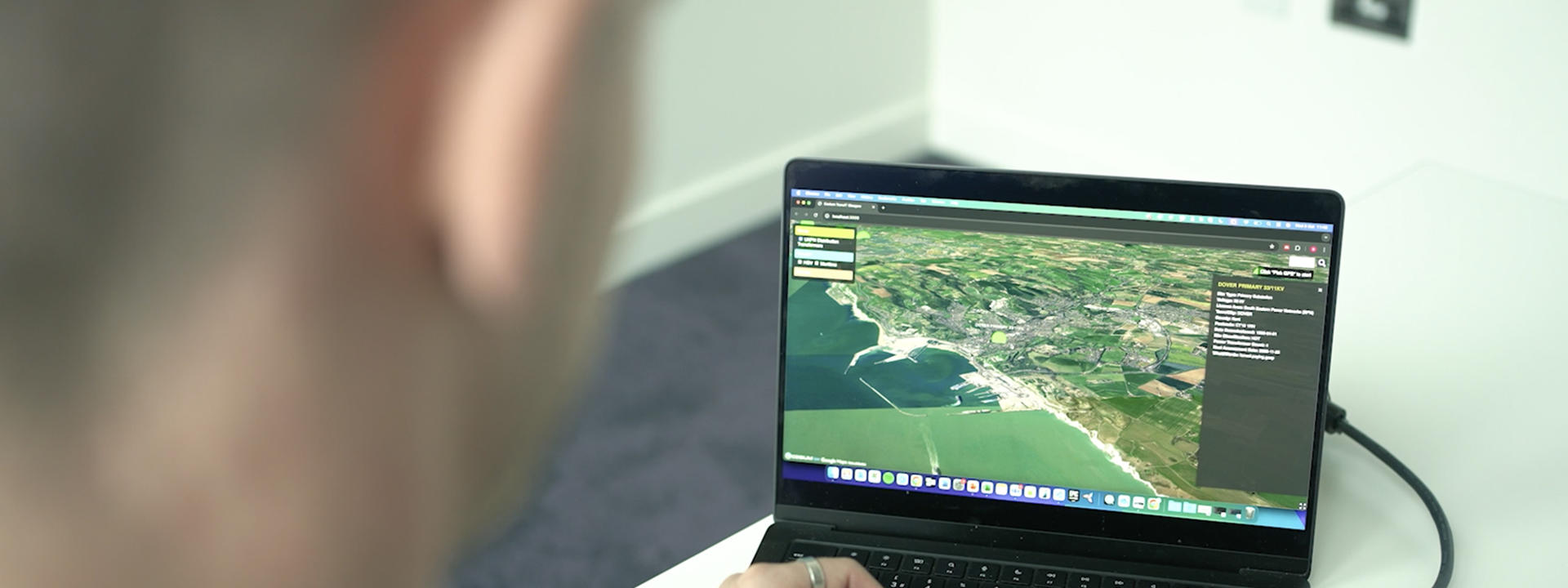
Scientists at Heriot-Watt University in Edinburgh are developing a tool to help organisations and their human resources teams get ready for the wider use of digital twinning technologies.
Digital twins are digital replicas of the physical world that allow systems and scenarios to be tested much faster and more affordably than in real-world trials. They are increasingly being explored in sectors including transport, manufacturing, construction and energy to support smarter, lower-carbon decision-making.
Digital twins are expected to become everyday technology in the industrial world.
Dr Muhammad Shujaat Mubarik
TransiT Researcher and Associate Professor at Edinburgh Business School, Heriot-Watt University
To help employers understand what the introduction of digital twins means in practice, researchers are developing a Human Capital Readiness Index for Digital Twinning.
The work sits within TransiT, a national digital twinning research hub jointly led by Heriot-Watt and the University of Glasgow and focused on rapidly decarbonising transport in the UK.

Dr Muhammad Shujaat Mubarik, a researcher with TransiT and an Associate Professor of Logistics and Supply Chain Management at Heriot-Watt University’s Edinburgh Business School, explained: “Because digital twins change how decisions are made, adopting them is not just a technical challenge. It also demands new skills, mindsets and ways of working across organisations.
“Our Human Capital Readiness Index will help us understand what specific human resources are needed in an organisation for digital twinning and what kinds of behavioural capabilities are required.
“For example, if a logistics service provider wants to adopt our transport digital twin, their employees might need specific expertise in areas like cybersecurity, analytics or artificial intelligence.
“On the behavioural side, digital twins can be helpful, but they can also become counterproductive if the flow of information is overwhelming. So, we look at what capabilities are needed to make sense of that information and act on it.”
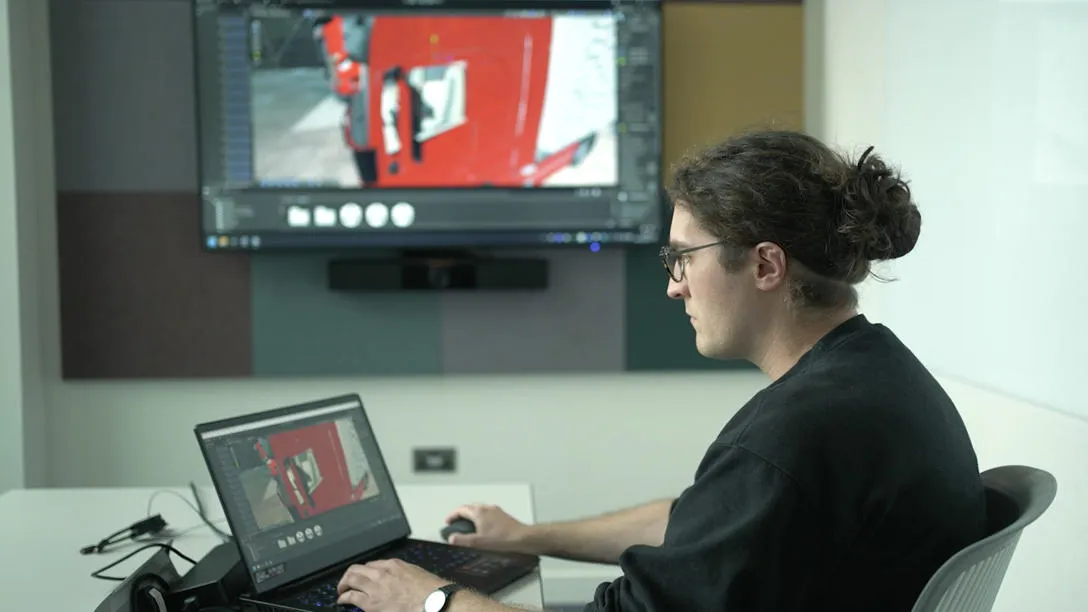
The prototype Human Capital Index is expected to be a simple online tool where organisations enter key information about their workforce and operating context. It will then generate an indicative readiness score, along with practical recommendations for improving skills and organisational readiness for digital twinning.
Dr Mubarik is a researcher in TransiT’s ‘Work Package 2’ research group, which is focused on human factors and explores how people interact with and make decisions about transport.
An industrial economist by background, Dr Mubarik examines how human capital, innovation and digital technologies reshape industrial value chains, with a focus on resilience and decarbonisation. He co-authored the book Human Capital, Innovation and Disruptive Digital Technology, which sets out methodologies for constructing a Human Capital Readiness Index for technology adoption. These concepts are now being adapted for digital twinning in transport. A PhD research student has joined TransiT to help develop and test the index.
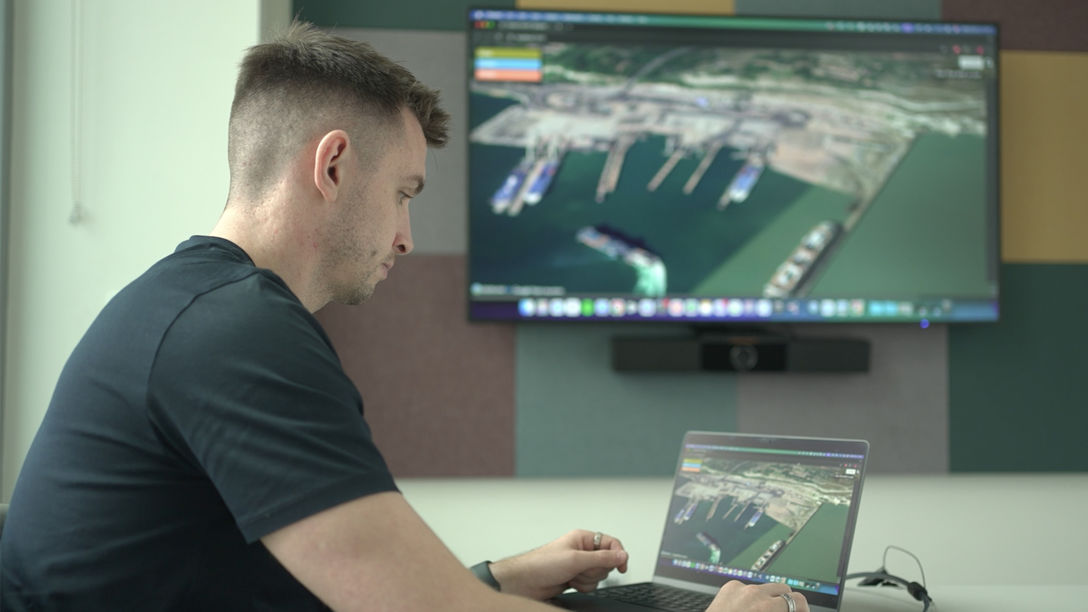
“Digital twins are expected to become everyday technology in the industrial world,” Dr Mubarik added. “Within TransiT, we are developing a network of interlinked digital twins representing the UK’s transport system. Transport operators and travellers will be able to use these tools to identify lower-emission options. Our Human Capital Readiness Index will provide a form of gap analysis so we can suggest to organisations what kinds of training, recruitment or development programmes might be needed to ensure they can realise the full value of these digital twins.”
TransiT is using digital twinning and related digital technologies to identify the lowest-cost, least-risky pathways to net zero emissions in UK transport across all modes – road, rail, air and maritime – for both passengers and freight.
By aligning this technological innovation with practical insights about human capabilities, the team aims to accelerate the impact of digital twins and support a well-managed transition to a net zero transport system.
TransiT is funded by the UK Research and Innovation Engineering and Physical Sciences Research Council (EPSRC), the main funding body for engineering and physical sciences research in the UK, and is a collaboration of eight universities and almost 70 industry partners.