Celebrating International Women in Engineering Day
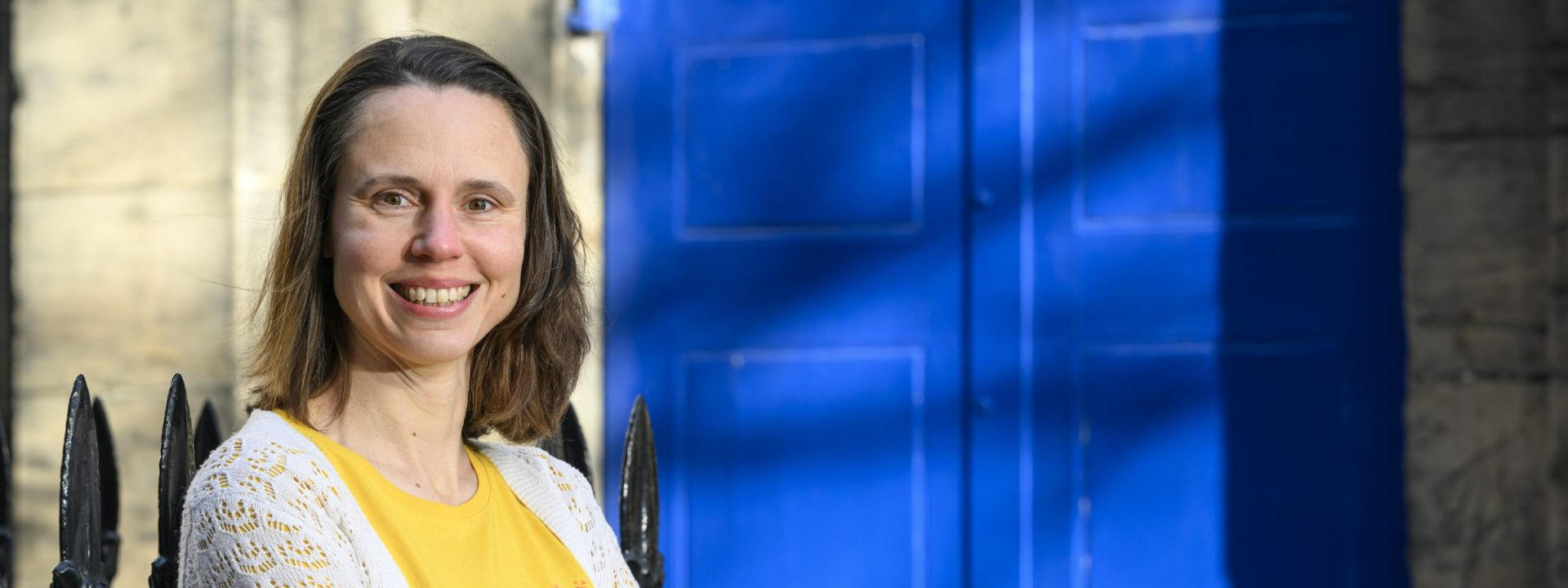
To mark International Women in Engineering Day, we’re celebrating the work and experiences of three inspiring engineers whose careers span cutting-edge research, real-world applications, and public engagement.
From quantum technologies to healthcare innovation and early-years outreach, their stories highlight the breadth of engineering today and the diverse pathways into the profession.
Dr Helen Bridle is an engineer and researcher at Heriot-Watt University, based in the Institute of Biological Chemistry, Biophysics and Bioengineering. Her work focuses on developing technologies for biological and healthcare applications, particularly using microfluidics to detect and process pathogens in water and support bioprocessing and medical research.
What inspired your career path?
I chose to pursue a PhD after completing a summer research internship, where I worked on designing systems to investigate biological problems. That experience showed me how engineering can be used to create technologies that support a wide range of real-world applications, from healthcare to environmental monitoring.
My work has since focused on developing solutions for challenges such as detecting waterborne pathogens, processing microalgae, and isolating cells for therapeutic use. I briefly worked outside academia before returning, and I have now spent over a decade working in engineering at Heriot-Watt University.
Why did you choose to pursue research, and what drew you to this particular field?
I am motivated by the opportunity to design technologies that can make a tangible difference. Engineering for biological and medical applications brings together problem-solving and real-world impact, particularly in areas such as public health and environmental safety.
I am also passionate about improving diversity in engineering. Research shows that children develop strong perceptions about who can be an engineer from a very young age, which can influence their confidence and aspirations. Addressing these perceptions is an important part of creating a more inclusive field.
What do you most enjoy about working in engineering and research?
One of the most rewarding aspects of my work is combining research with public engagement. Through the Let’s Do Engineering programme, we worked with teachers, carers, and creative professionals to develop activities for children aged 3-7 that introduce engineering in an inclusive and engaging way.
By creating resources such as films, games, and activity books, and reaching thousands of children and educators, the programme helps challenge stereotypes and highlight the breadth of engineering. Supporting young learners to see themselves in these roles is an especially rewarding part of what I do.
Learn more about ‘Let’s Do Engineering’ at this link.
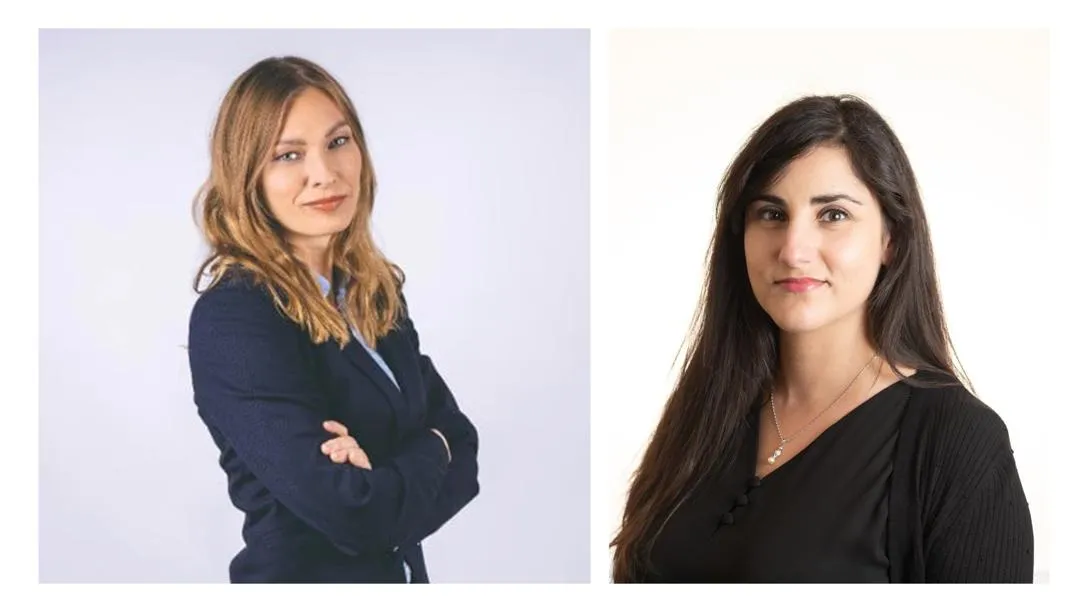
Dr Aldona Mzyk is a UKRI Future Leaders Fellow and Associate Professor. Her work uses quantum sensors - devices that harness the properties of quantum physics to detect minuscule changes - to understand why current cancer immunotherapies work for some patients but not for others.
What lead you to your career?
My path into engineering was driven by curiosity, nurtured, perhaps subconsciously, by my family. My grandfather took me on walks in the forest, explaining how nature works. My grandmother taught me how to follow baking recipes and, importantly, why they work and how they can be adapted so we could still enjoy cake after my experimental variations. My father involved me in all types of home renovations, and my mother was always there to listen and to offer thoughtful feedback. They were my first team of engineers, and they had a lasting impact on my career.
I initially studied biotechnology because I wanted to understand how we can design processes inspired by nature. I then completed a PhD in materials science, working on novel materials, sensors, implants, and medical devices. At that point, I found a research direction close to my heart. I moved into the field of quantum sensors for biomedical applications, as it combines my love to practical solutions with curiosity about biological processes.
I believe choosing a specific degree is important, as it can help you discover your passion more quickly and focus your efforts. However, like research itself, career development is also about exploration and inspiration. What matters most is having a sense of direction while remaining open to learning from people who share their experiences with you. This was invaluable in helping me to find my own path.
Why research? Why this particular type of research?
Research offers a unique combination of freedom and discipline, while also creating value for society. I have always been motivated by the question of how we can develop devices and sensors that help us better understand the human body. This understanding can lead to improved healthcare through earlier disease detection, and more effective treatment options. My work in quantum sensing aims to contribute to these advances.
What is your favourite part about working in engineering?
What I enjoy about engineering is following this multistep journey from designing processes and devices to building them and seeing them used in practice.
It brings together creativity and real-world impact. I particularly value how engineering allows ideas to become tangible solutions that can improve everyday life.
Read more about Dr Aldona Mzyk’s project at this link.
Dr Aurora Maccarone is a Royal Academy of Engineering Research Fellow at Heriot-Watt University. Her work focuses on quantum imaging systems that use single photons to produce high-resolution images, with a particular emphasis on underwater environments and applications such as marine surveying, infrastructure inspection, and environmental monitoring.
What led you to your career?
My interest in physics began when I visited my aunt’s laboratory as a child. She was a physicist studying cosmic rays, and I was fascinated by what I saw. That early experience sparked my curiosity about how the world works.
I studied physics at the University of Palermo in Italy before moving to Scotland to complete a PhD at Heriot-Watt University, where I specialised in single-photon depth imaging. During my studies, I developed a strong interest in quantum mechanics and experimental physics, which led me to pursue research in quantum technologies.
My career path wasn’t entirely fixed from the start. I was initially interested in other areas, such as superconducting materials, but I remained open to new opportunities. This flexibility helped me discover quantum imaging, which ultimately became my focus.
Why research? Why this particular area?
I was drawn to research because it allows me to explore new ideas while contributing to real-world applications. Quantum imaging is particularly exciting because it is still a developing field with significant potential.
My work focuses on underwater quantum imaging systems, which could transform how we explore and monitor marine environments. These technologies could make processes such as seabed mapping faster and more efficient, while also providing higher-quality data.
What is your favourite part about working in engineering and research?
What I enjoy most is working on technologies that are both innovative and practical. I like being involved in the process of developing new systems and moving them from laboratory research towards real-world use.
It is especially exciting to work on something that could have a wide range of applications, from offshore engineering to environmental monitoring and security. Seeing these ideas evolve into usable technologies is incredibly rewarding.
Learn more about Dr Aurora Maccarone at this link.