Cask ageing unlocks new flavour in Scottish spirits from alternative crops
Scotland’s cask ageing expertise could help reveal greater complexity in spirits distilled from potatoes and other non-grain raw materials, a new project has found.
Arbikie Distillery in Angus, the first in Scotland to produce potato based vodka, worked with chemists at Heriot-Watt to analyse the aroma of their experimental 10-year-old potato-based spirit.
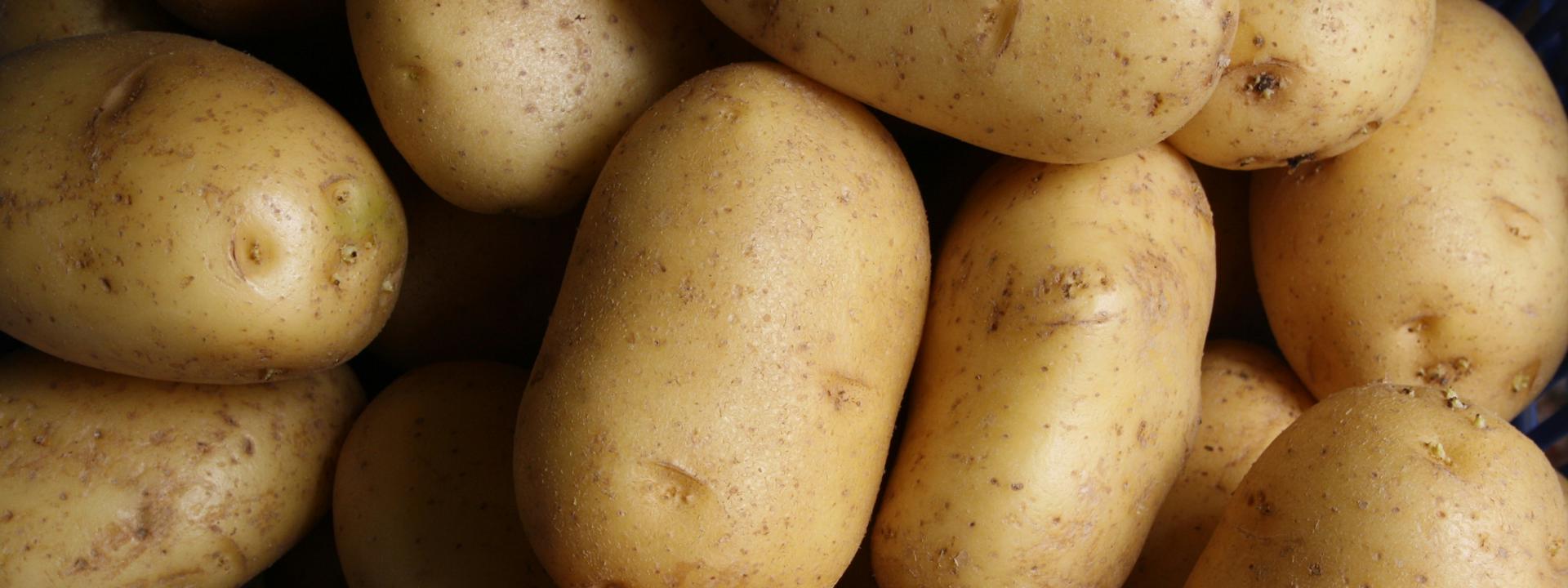
The spirit is made using ‘wonky’ potatoes grown on the Arbikie estate, helping to valorise a crop that might otherwise go to waste.
Finding alternative crops for our spirits industry will help guard against climate change. Barley is one of our main crops, and we don’t know how it will respond to changing temperatures. The drinks industry should be investigating alternative crops so that we can withstand crop failures or scarcity. The result could be another, uniquely Scottish spirit.
David Ellis from Heriot-Watt University's School of Engineering and Physical Sciences
Assistant Professor
They found that ageing the potato spirit in casks increased its aromatic and flavour complexity compared with an unaged spirit.
Kirsty Black from Arbikie Distillery said: “Vodka is the most widely recognised potato-based spirit.
“It’s typically distilled to a very high level of purity and bottled without maturation, meaning it can go from still to shelf in just a short period of time.
“We wanted to explore whether ageing potato spirit in a cask, drawing on Scotland’s deep expertise and heritage in maturation, could allow a different side of that raw material to emerge, and create a distinctive, new spirit style.”
The Arbikie team aged their potato spirit in a bourbon barrel for 10 years, then gave it to Dr Ruaraidh McIntosh and Dr David Ellis from Heriot-Watt’s School of Engineering and Physical Sciences.
Dr McIntosh said: “We conducted chemical and sensory analysis on the potato spirit and found that ageing it in a cask really does impart a lot of character and complexity.
“We carried out nuclear magnetic resonance spectroscopy on the potato spirit, which is akin to taking its chemical fingerprint. It identifies all the compounds present and doesn’t rely on human perception, which is subjective and can be unreliable.
“We also held a sensory panel, with ‘tasters’ asked to identify aromas.
“Alternative crops for spirits like potatoes could result in undesirable or unexpected aromas and flavours.
“We found that the Arbikie potato spirit shared many of the characteristics of the distillery’s whisky made in the same type of casks.
Dr Ellis said: “The cask is a crucial factor in determining the spirit’s eventual characteristics.
“Finding alternative crops for our spirits industry will help guard against climate change.
“Barley is one of our main crops, and we don’t know how it will respond to changing temperatures.
“The drinks industry should be investigating alternative crops so that we can withstand crop failures or scarcity.
“The result could be another, uniquely Scottish spirit.”
Arbikie Distillery has already released several spirits made from alternative crops, including pea-based gin and vodka under its Nàdar brand, alongside a range of rye grain whiskies sold under the Highland Rye label.
Kirsty Black said: “Partnering with Heriot-Watt helped us understand the spirit at a molecular level, which is crucial if we’re serious about innovation and resilience.
“This research shows the potential of alternative crops when combined with proper maturation, and the next step is to apply that knowledge more widely as we plan for a changing climate.”
Heriot-Watt is raising £35million for its new Centre for Sustainable Brewing and Distilling. Read more here: https://www.hw.ac.uk/news/2025/heriot-watt-university-unveils-35m-vision-for-a-new-centre-for-sustainable-brewing-distilling