Call to increase funding for ‘invisible’ Deaf victim-survivors of domestic abuse
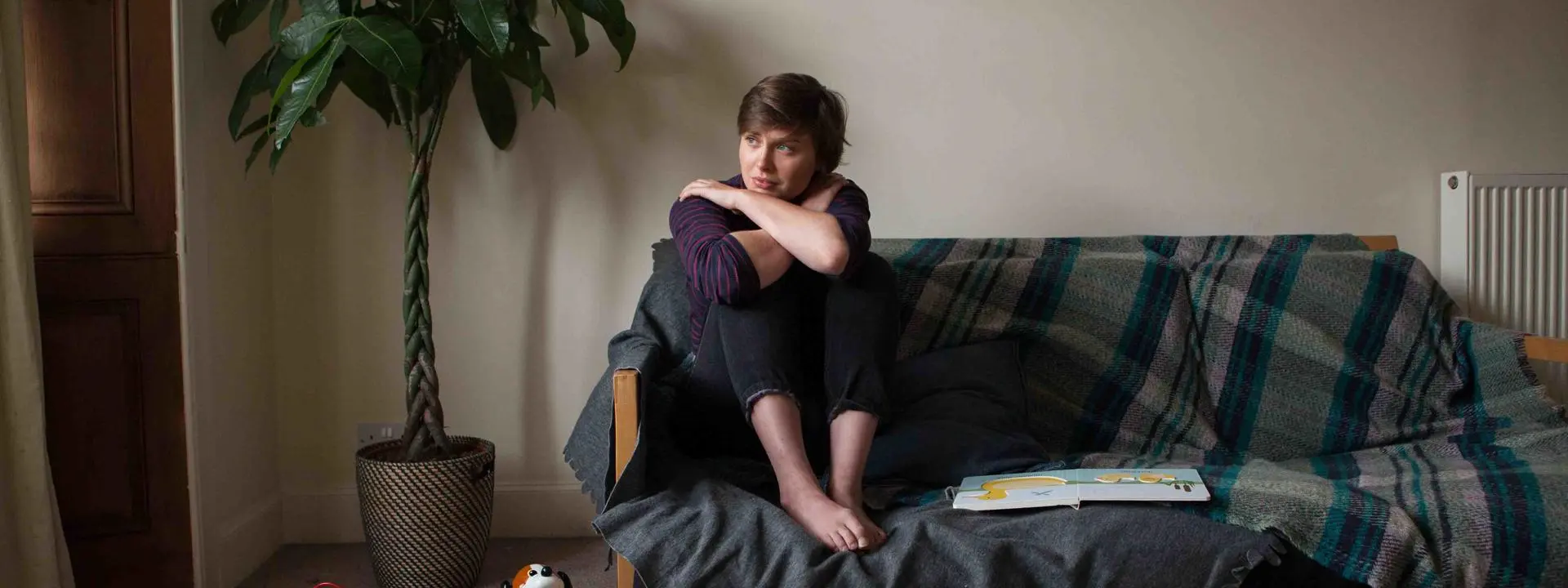
A new report warns Deaf women experiencing domestic abuse in Scotland remain “effectively invisible” due to the chronic absence of specialist services and a lack of coordinated national support. Researchers say this gap leaves deaf victim-survivors without meaningful access to safety and advocacy.
Led by Heriot-Watt University and the University of Edinburgh, the British Academy-funded Sign LOUD report highlights that Scotland currently has no national dedicated British Sign Language (BSL) support services for Deaf victim-survivors of domestic abuse, despite evidence that Deaf women are two to three times more likely to experience abuse than the general population.
Deaf women have been overlooked for years, despite being at high risk and having distinct language access needs.
Professor Jemina Napier
Chair of Intercultural Communication
The report recommends establishing a BSL Equally Safe Advisory Group, bringing together Deaf community organisations, domestic abuse organisations, and officials responsible for the Scottish Government’s Equally Safe strategy and BSL National Plan. This group would work on action to improve the response of all frontline services as well as dedicated specialist support.
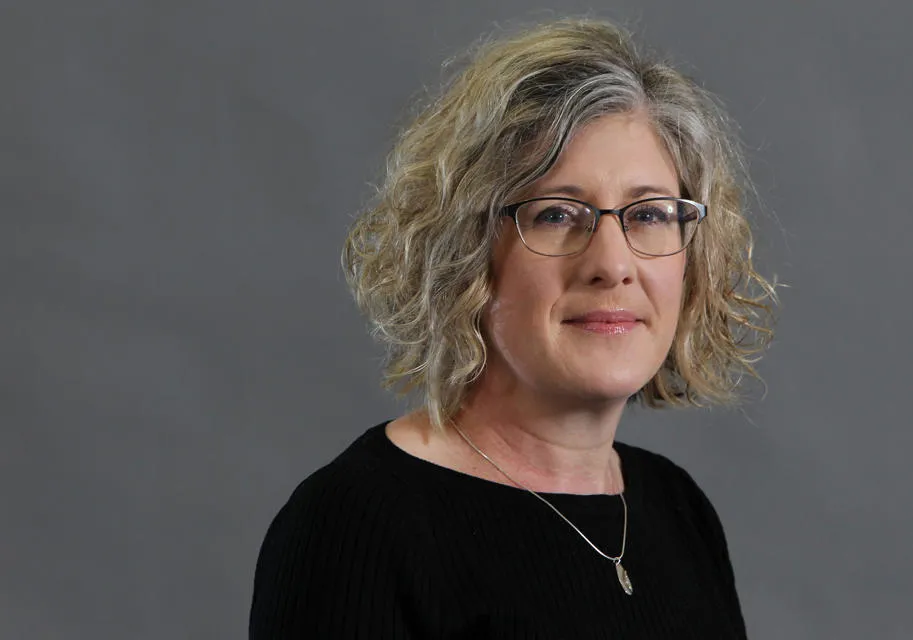
Professor Jemina Napier, Chair of Intercultural Communication in Heriot-Watt’s School of Social Sciences is Principal Investigator for the research who said: “Deaf women have been overlooked for years, despite being at high risk and having distinct language access needs. Aside from a small, fixed-term pilot across Angus, Tayside and Perthshire led by the Dundee-based charity Deaf Links, there is no dedicated service in Scotland. This must change.”
While specialist services exist in England such as SignHealth and the Cambridgeshire Deaf Association, Scotland relies solely on the temporary initiative operated by Deaf Links in Tayside and Women’s Aid groups, which are limited to local regions.
Children and support needs
Deaf mothers and signing practitioners included in the study stressed the urgent need for support for both deaf and hearing children affected by domestic abuse. Many reported situations where children were expected to interpret during safeguarding conversations, placing them in highly stressful and inappropriate roles.
Dr Claire Houghton, the Co-Investigator on the study and a Senior Lecturer in Social Policy and Qualitative Research at the University of Edinburgh, said: “We heard repeatedly about children being asked to interpret conversations between their deaf mothers and statutory service providers in domestic abuse situations.
“This compromises safeguarding and emotional wellbeing for both deaf mothers and their children. National support must include provision for children.”
Funding and reform
Among its other findings, the report calls for dedicated, long-term funding for domestic abuse services that are offered directly in BSL for Deaf women and families, echoing recommendations from the Scottish Government’s Independent Strategic Review of Funding and Commissioning of Services on Violence Against Women and Girls. It also highlights a need for improved access in BSL to mainstream (hearing) services through interpreters.
A parliamentary roundtable hosted by MSP Karen Adam was recently held in Holyrood to discuss the findings and explore how Scotland can deliver equitable support for Deaf women and children.
“Deaf women and children have been hidden in plain sight,” Professor Napier said. “If we want services to be truly equitable, we must recognise their needs and act.”
Karen Adam MSP for Banffshire & Buchan Coast said the report not only identified the problems but offered a way forward.
”Deaf women experiencing domestic abuse are too often hit by a double trauma of the abuse itself, and then the barriers they face in getting help in their own language,” she said.
“The Sign LOUD project has shone a light on that reality and made it impossible to ignore.
“I hosted the roundtable in Parliament because these findings now need to be turned into action, on BSL access, on specialist support, and on making sure Deaf women and their children are properly supported in the systems meant to protect them.
“I’m very pleased that the Deputy First Minister joined us in her capacity as Minister for Languages, because language policy and BSL provision are absolutely central to making sure that safety, support and justice are genuinely accessible to Deaf women and their children.”
The 32-page study gathered first-hand accounts from of six Deaf mothers who are victim-survivors and five signing practitioners who use BSL to support Deaf women.
Among the Sign LOUD team supporting this activity was Lucy Clark, a Deaf victim-survivor who is a researcher and advocate of domestic abuse in the deaf community.
“As a survivor, I see many gaps that continue to delay recovery for BSL users,” she said.
“We urgently need greater awareness of the importance of specialist support for Deaf women and children, including access to qualified BSL interpreters and services that demonstrate real Deaf Awareness.
“BSL resources must expand so we can reach more people, break down barriers, and ensure that BSL is properly recognised and valued.”
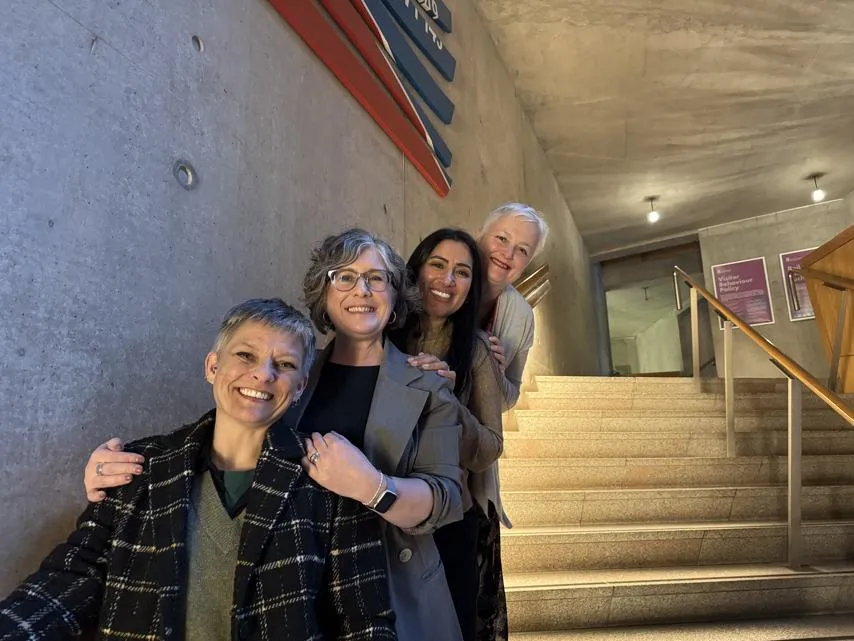
Adding their insight to the project was Tasnim Ahmed, Operations Manager of the Scottish Ethnic Minority Deaf Charity and a Deaf victim-survivor who was a participatory consultant for the report, who said: “Being involved in this research has shown me just how urgent the need is for specialist support for Deaf women, particularly those from ethnic minority communities. Accessible, culturally appropriate services in BSL could make a real difference - helping women and children access safety, support, and advocacy with dignity and equality."
The Sign LOUD report is being publicly launched on International Human Rights Day which is observed every year on December 10 to commemorate the United Nations’ adoption of the Universal Declaration of Human Rights in 1948. It serves as a global reminder of the fundamental rights and freedoms owed to every person, and a call to action to protect them.
Image credit: © Laura Dodsworth