Case Study: Simulation-Based Climate Policy Analysis for Freight Decarbonisation Using En-ROADS
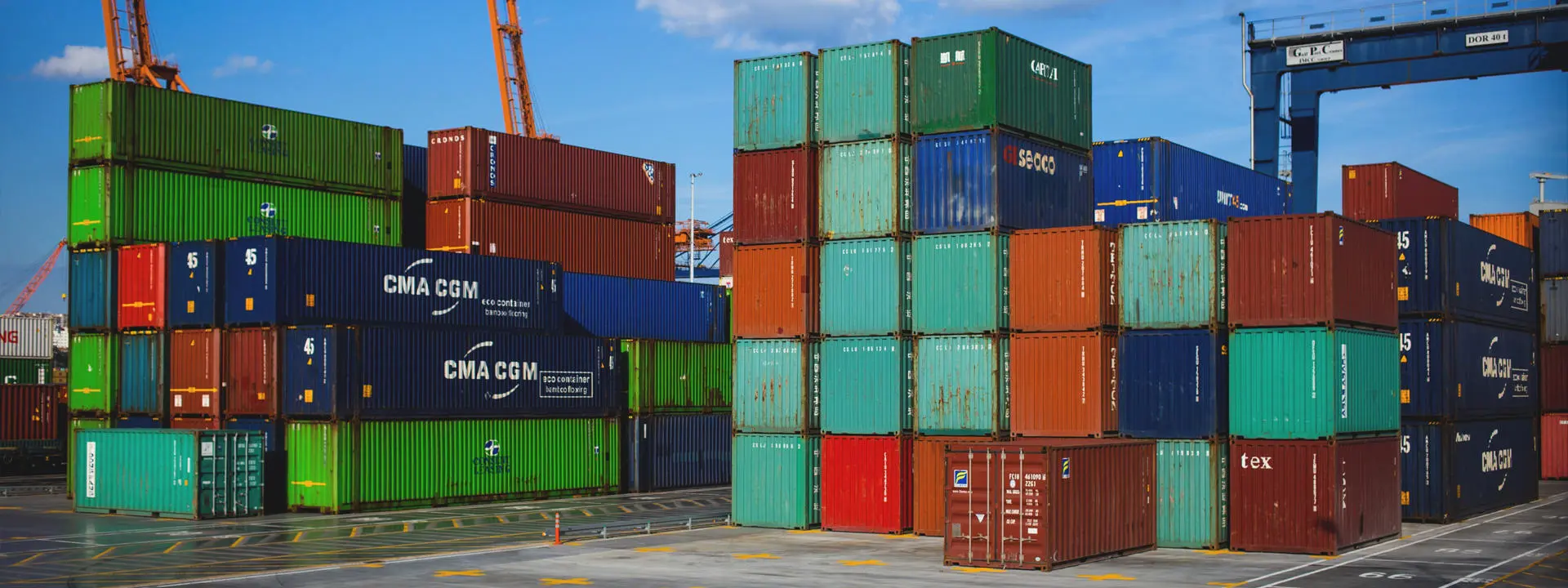
Green and Sustainable Logistics is a postgraduate course delivered across the Edinburgh and Dubai campuses.
The assessment for the course requires students to use the En-ROADS Climate Solutions Simulator to model freight transport decarbonisation scenarios and submit a 2,500 word analytical report.
This assessment is designed to enable students to develop systems thinking and climate policy literacy by directly experimenting with interdependent policy levers and observing unintended consequences. Each begins with a baseline scenario in En-ROADS, then develops at least three policy interventions targeting logistics emissions, such as carbon pricing to subsidise rail freight, diesel truck phase-outs, or renewable energy investment for transport. Students export simulator graphs as evidence, compare scenarios against the baseline, and relate findings to UK, UAE, or other national policy contexts.
The simulation makes abstract concepts, externalities, regulatory trade-offs, temperature pathways more tangible. Critical reflection is central in the course, encouraging students to evaluate assumptions and strengthen metacognitive skills. This approach enhances employability by developing evidence-based reasoning, preparing graduates for roles in logistic organisations, government agencies, and consultancies, supporting them as sustainability-informed decision-makers in their careers.
Top tips for others interested in adopting or adapting this approach
- Deliver an introductory workshop to engage students with experiential learning.
- Share the value of this En-ROADS tool, and rationale for using the simulator in the course.
UN Sustainable Development Goals (SDGs) addressed
Students select three policies or interventions that align with SDG 9, SDG 11, and SDG 13.