Case Study: Embedding Sustainability through a Food Waste Reduction Campaign
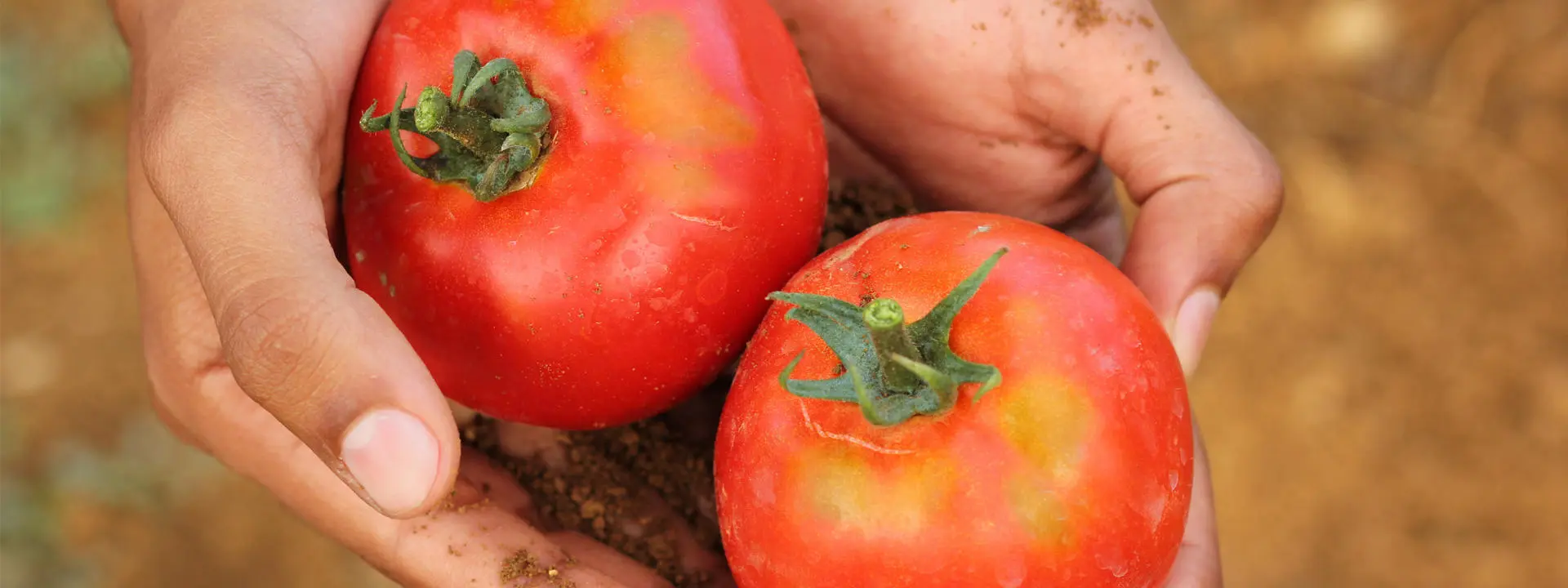
Embedding Sustainability through a Food Waste Reduction Campaign at Heriot-Watt University Malaysia (HWUM).
This student-led sustainability group community project, part of the first year Business Ethics course, typically engages teams of 4-5 students from business degree programmes in addressing food waste within the university community.
Students research food waste issues and design a Food Waste Reduction Awareness Campaign, culminating in a wider showcase on the HWUM Plaza towards the end of the course.
At the event, teams present posters, share research findings with academic judges from the Edinburgh Business School, and run interactive activities to engage the wider Heriot-Watt community. Successful event delivery relies on early planning, clear task allocation, and strategies to encourage participation.
The project effectively connects course theory to practice, strengthening students’ understanding of sustainability and ethical responsibility. Through collaboration, research and community engagement, students develop key employability skills, including teamwork, communication, critical-thinking and problem-solving. The initiative also raises awareness of responsible food consumption across the wider HWUM community demonstrating the impact of experiential learning in driving behavioural change.
Top tips for others interested in adopting or adapting this approach
- Choose sustainability issues relevant to students’ daily lives, so they connect theory with real-world practice.
- Use community-based activities to deepen engagement beyond the classroom.
UN Sustainable Development Goals (SDGs) addressed
- SDG 4 (Quality Education)
- SDG 12 (Responsible Consumption and Production)
- SDG 13 (Climate Action)