Duncan Laboratory for Insurance Data Science
A Global Hub for Insurance Data Science and Quantitative Risk Innovation
The Duncan Laboratory for Insurance Data Science is a research laboratory within Heriot-Watt University dedicated to advancing data-driven innovation in insurance, risk modelling, and actuarial science.
Founded through a philanthropic gift from Ian Duncan, the Laboratory was established to foster high-impact research, international collaboration, and methodological innovation at the interface of insurance and modern data science.
About the Laboratory
The Duncan Laboratory serves as a focal point for research in insurance data science, bringing together expertise in statistics, actuarial mathematics, machine learning, and quantitative risk modelling.
The Laboratory's mission is to:
- Develop innovative statistical and data-driven methods for insurance and risk
- Strengthen Heriot-Watt University’s international leadership in actuarial and insurance research
- Foster collaboration across academia, industry, and policy
- Support postgraduate training and early-career research development
While embedded within Heriot-Watt University, the Laboratory was established through an external philanthropic endowment and has a dedicated mandate to build a visible, internationally recognised research hub in insurance data science.
Ian Duncan
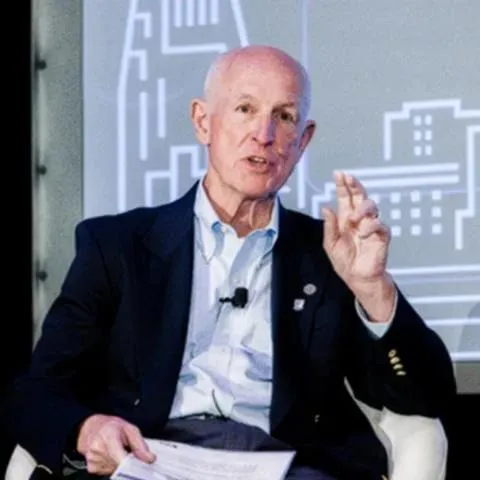
The Laboratory was made possible through a philanthropic gift from Ian Duncan, a distinguished actuarial professional and advocate for advancing insurance research and education.
Ian Duncan completed his PhD at Heriot-Watt University under the supervision of Professor Angus Macdonald (emeritus member of the Lab). His vision in establishing the Duncan Laboratory is to create a globally recognised centre of excellence in insurance data science that enhances Heriot-Watt’s research impact and international engagement.
Research themes
Research within the Laboratory spans methodological, applied, and interdisciplinary domains, including:
Statistical and Probabilistic Modelling
- Dependence modelling and copulas
- Time-varying and spatio-temporal models
- Extreme value theory
- Bayesian modelling and uncertainty quantification
Insurance and Actuarial Applications
- Climate risk and emerging risks
- Reserving and capital modelling
- Fairness in algorithmic decision-making
- Pricing and credibility theory
Data Science and Machine Learning
- Interpretable machine learning in insurance
- Model calibration and validation
- Risk-aware AI methods
- Robust statistical learning
Mortality and Health Analysis
- Projection of future mortality improvements
- Modelling of health and mortality inequalities
- Modelling of cause specific morbidity and mortality
The Laboratory actively collaborates with industry partners and international research institutions.
Please contact the Laboratory Director (A.J.G.Cairns@hw.ac.uk) to discuss opportunities to collaborate and sponsor projects.
News and events
Launch of the Duncan Laboratory for Insurance Data Science
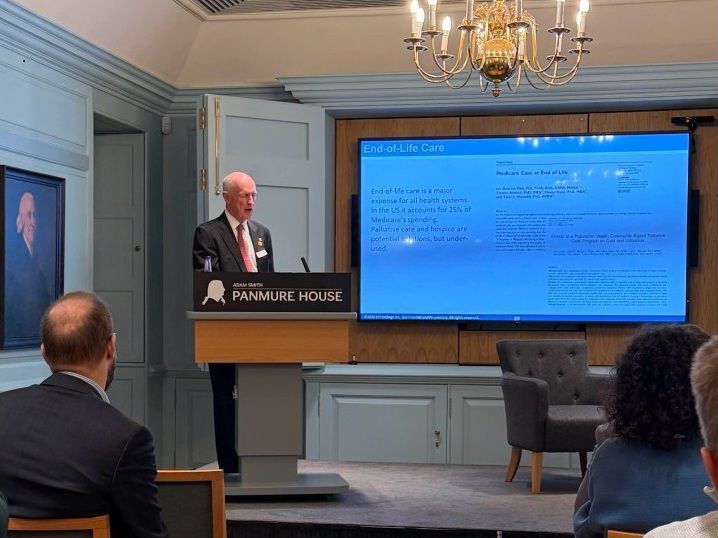
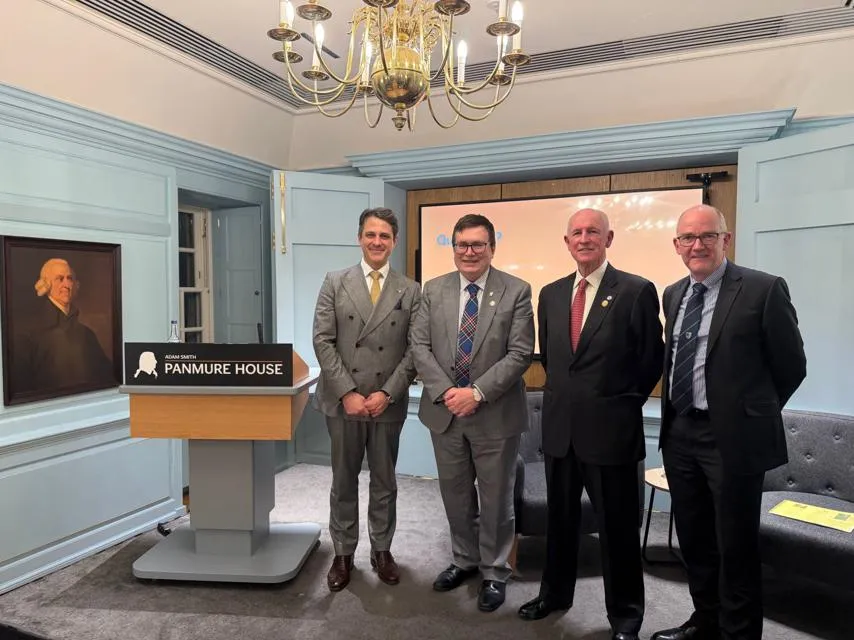
The Duncan Laboratory for Insurance Data Science was officially launched on February 9 at a special event held at Panmure House, the historic Edinburgh home of Adam Smith.
We were delighted to welcome Heriot-Watt alumnus Dr Ian Duncan, whose philanthropic gift established the Laboratory. Dr Duncan delivered a keynote talk on the financial challenges facing the US healthcare system, highlighting how data-driven actuarial approaches can improve efficiency, competition and consumer outcomes.
The event marked an exciting milestone for the Laboratory and brought together colleagues, collaborators and invited guests to celebrate its launch.